The day Rome did not end
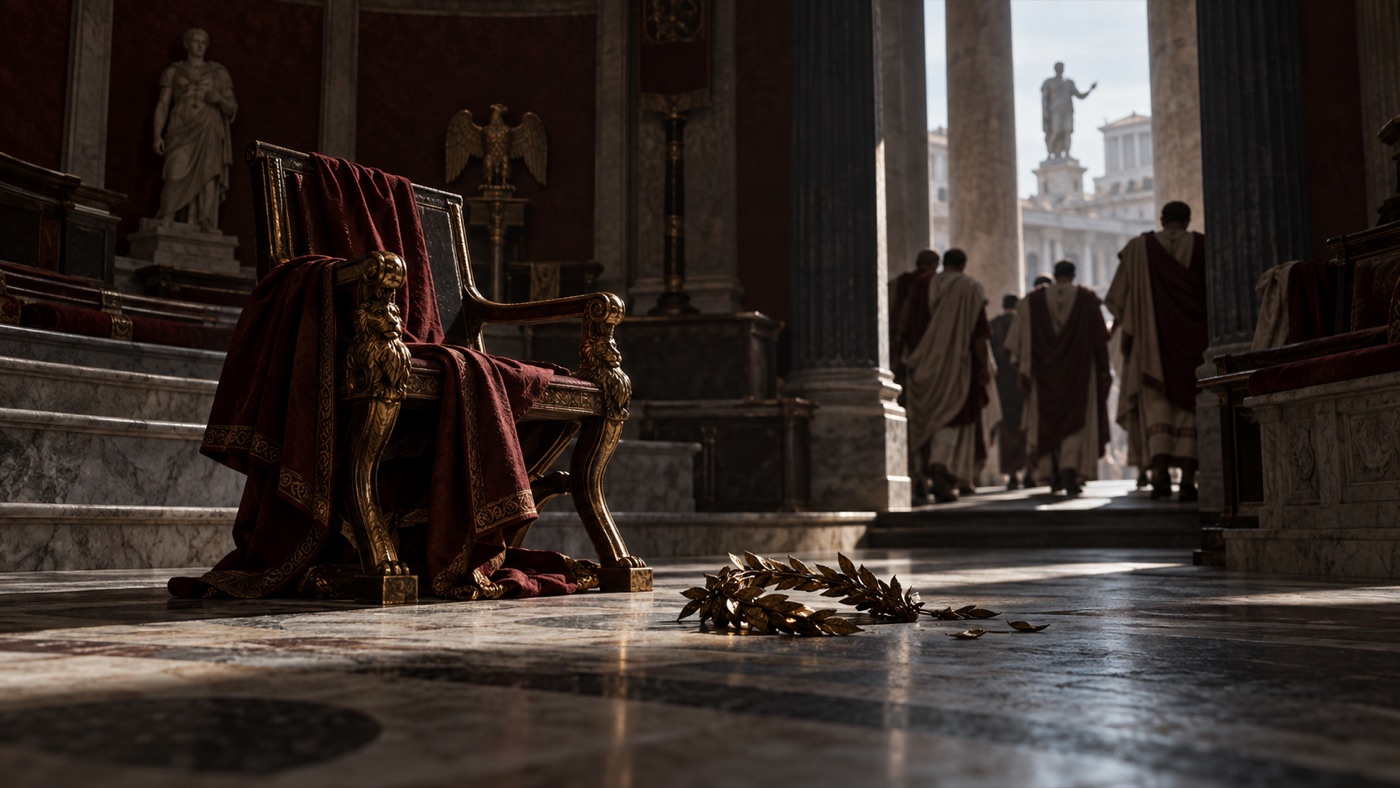
Alaric's entry into Rome in 410 was a profound shock. The city's name embodied centuries of power, and the plunder brought real loss and fear. Yet a city can be badly wounded and continue to live.
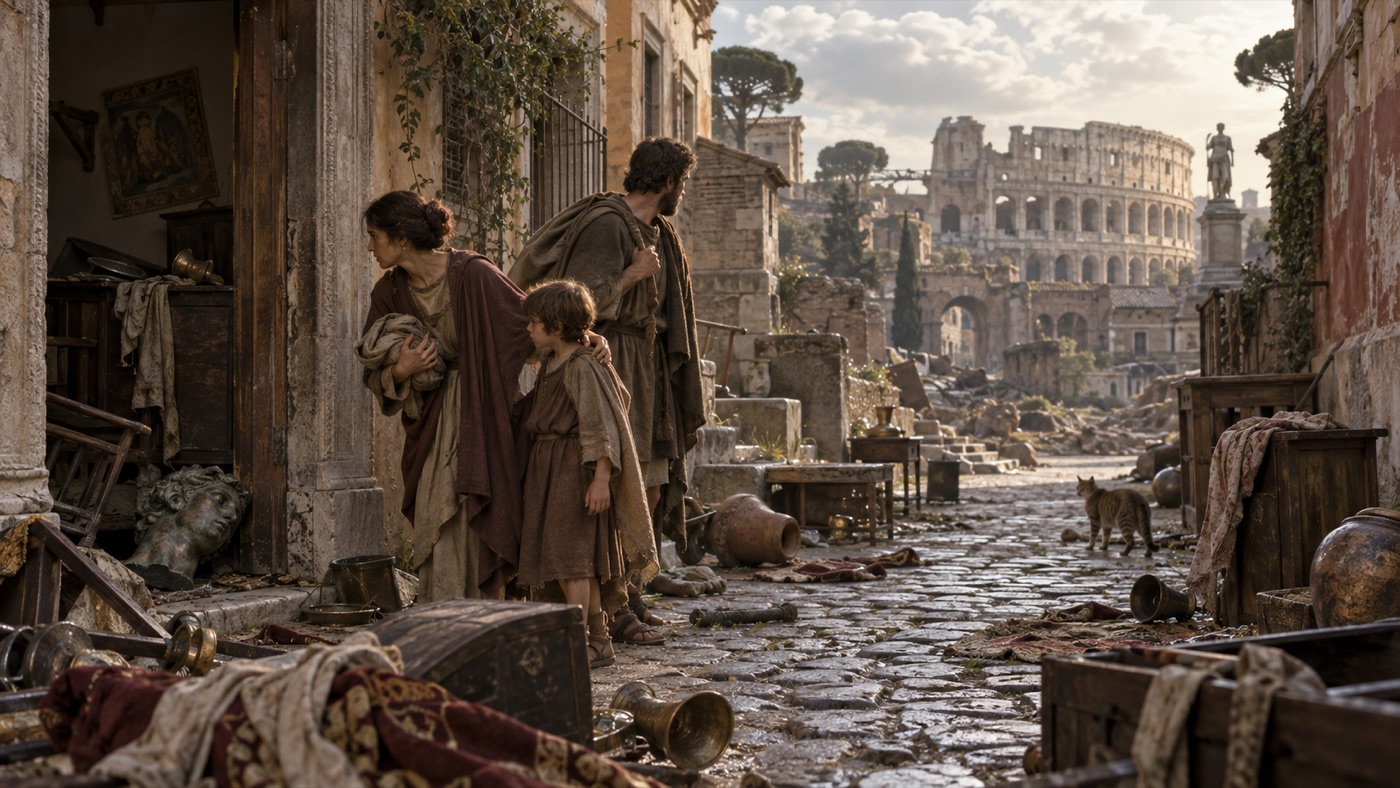
The named writer is a fictional editorial persona. This is historical commentary, not eyewitness testimony or a statement by a real person. The illustration is AI-generated.
Accounts centred on palaces and monuments can obscure families who had to reopen their doors. Finding food, repairing a roof and caring for children were practical counterparts to the great political crisis.
The western empire did not end in 410; its political structures continued for decades. Confusing the sack with a final day makes every crisis look like a complete ending. Rome's institutions and inhabitants changed, but the place did not disappear.
Continuity can be modest: a repaired doorway, a market stall or worship continuing on the same street. Remembering survivors does not minimise destruction. It reveals the persistence of cities beyond the fate of imperial claims.