Assassination in Sarajevo puts Europe on the brink
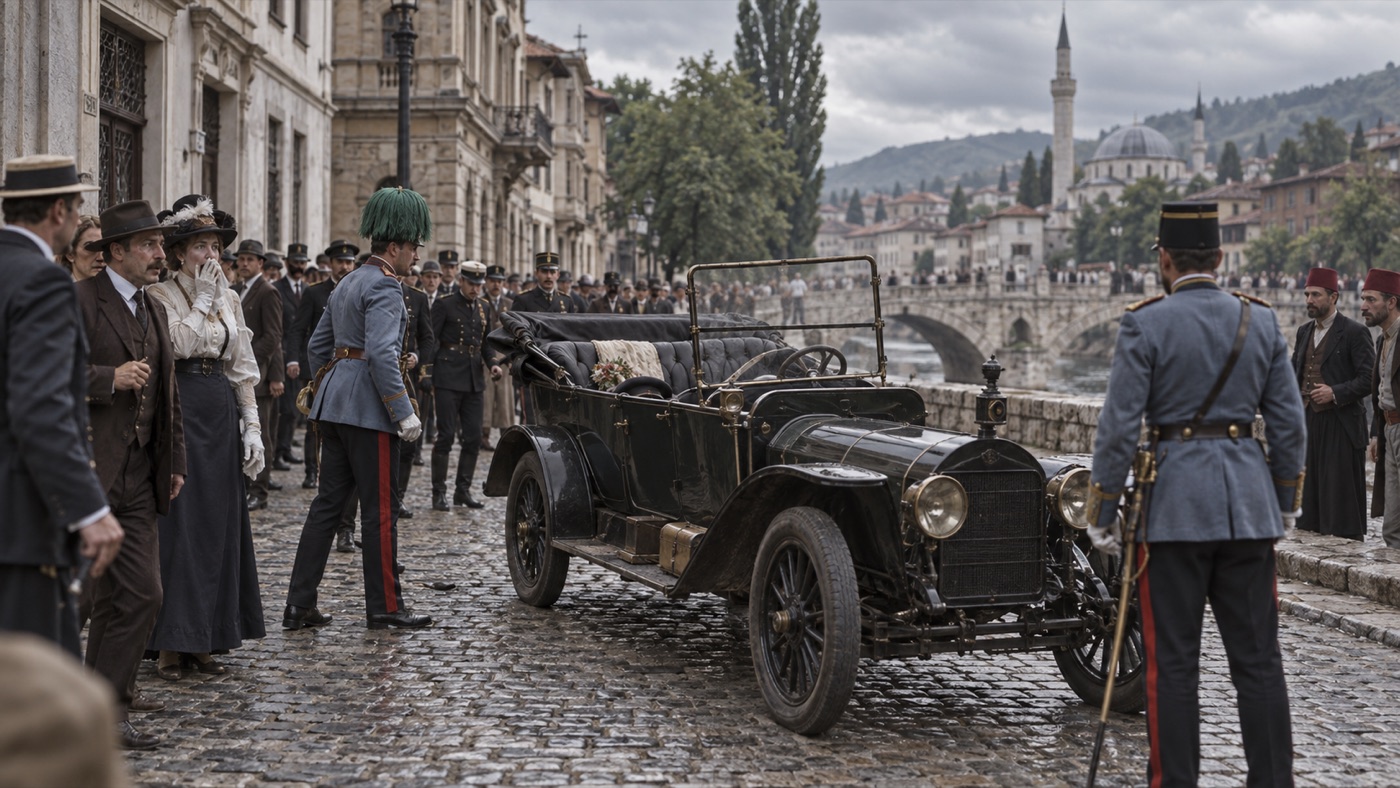
Archduke Franz Ferdinand and his wife Sophie were assassinated during a visit to Sarajevo. Gavrilo Princip's attack turned a dynastic tragedy into an international crisis.
Read the dossier ↗Historical turning points, discoveries and debates — told with context, curiosity and a clear distinction between evidence and reconstruction.
After a 53-day siege, Ottoman troops broke through the city's defences. Sultan Mehmed II's victory ended the Byzantine Empire and reshaped the eastern Mediterranean.
Read the dossier ↗Daily anniversaries from English Wikipedia. Follow each source for its context.
Loading today's anniversaries…

Archduke Franz Ferdinand and his wife Sophie were assassinated during a visit to Sarajevo. Gavrilo Princip's attack turned a dynastic tragedy into an international crisis.
Read the dossier ↗
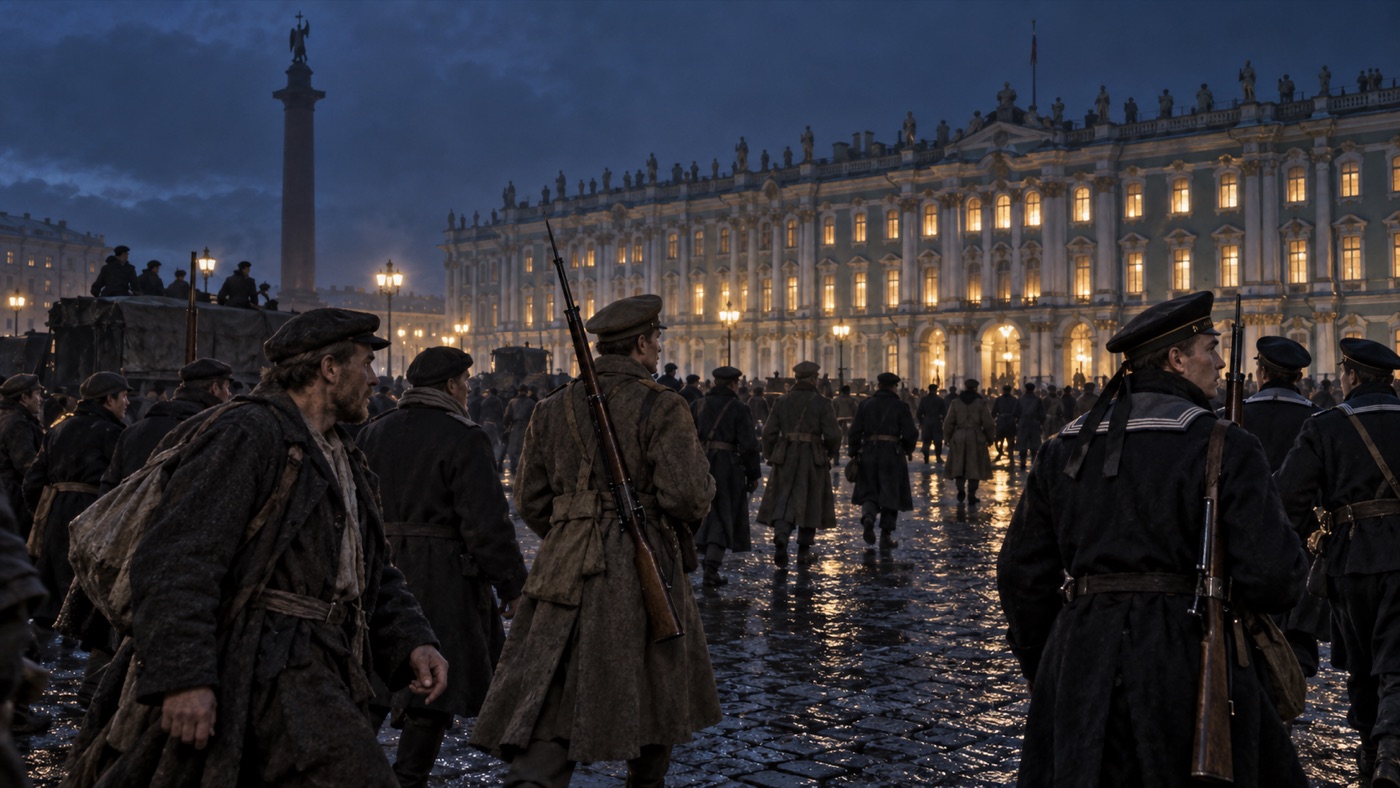
Bolshevik forces took key positions in Petrograd as the Provisional Government lost power. The upheaval followed months of war, shortages and political crisis.
Read the dossier ↗
Nazi Germany launched Operation Barbarossa across a vast front. The invasion ended the German–Soviet non-aggression pact and transformed the scale of the war in the east.
Read the dossier ↗
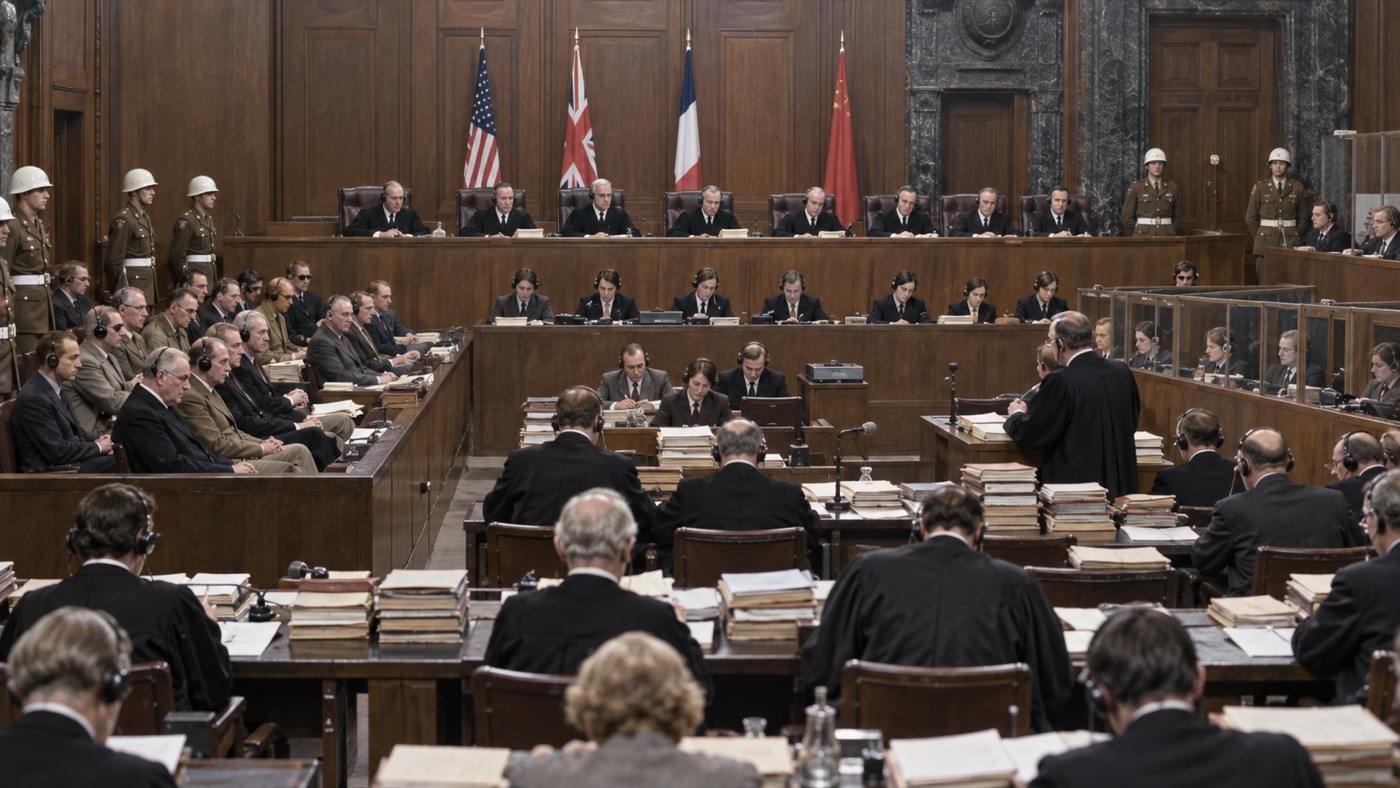
The International Military Tribunal opened proceedings against leading figures of Nazi Germany. The trial addressed aggressive war, war crimes and crimes against humanity.
Read the dossier ↗
After a 53-day siege, Ottoman troops broke through the city's defences. Sultan Mehmed II's victory ended the Byzantine Empire and reshaped the eastern Mediterranean.
Read the dossier ↗
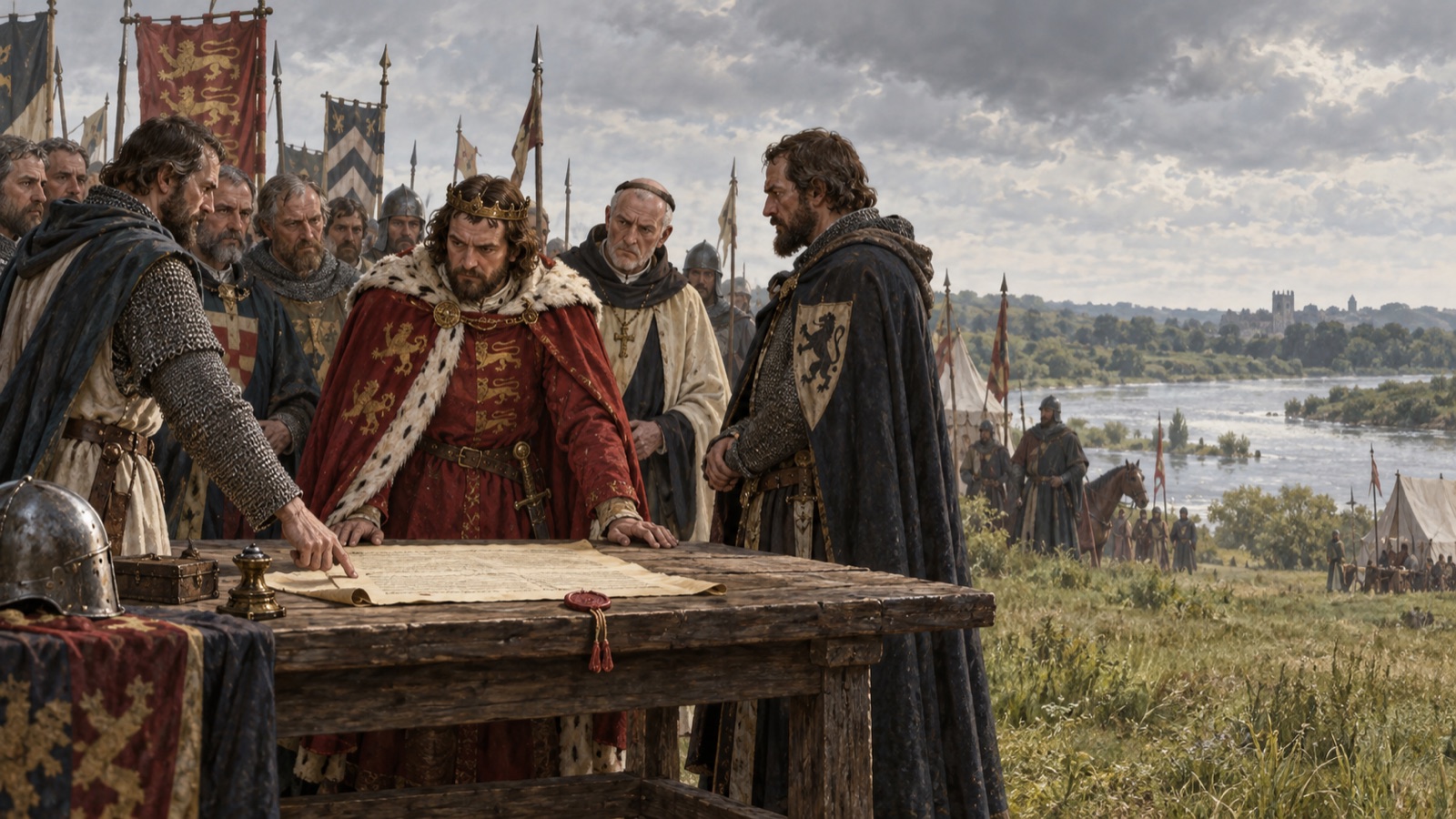
King John and the rebel barons reached an agreement beside the Thames. Magna Carta set down demands concerning royal power, justice and the barons' protections.
Read the dossier ↗
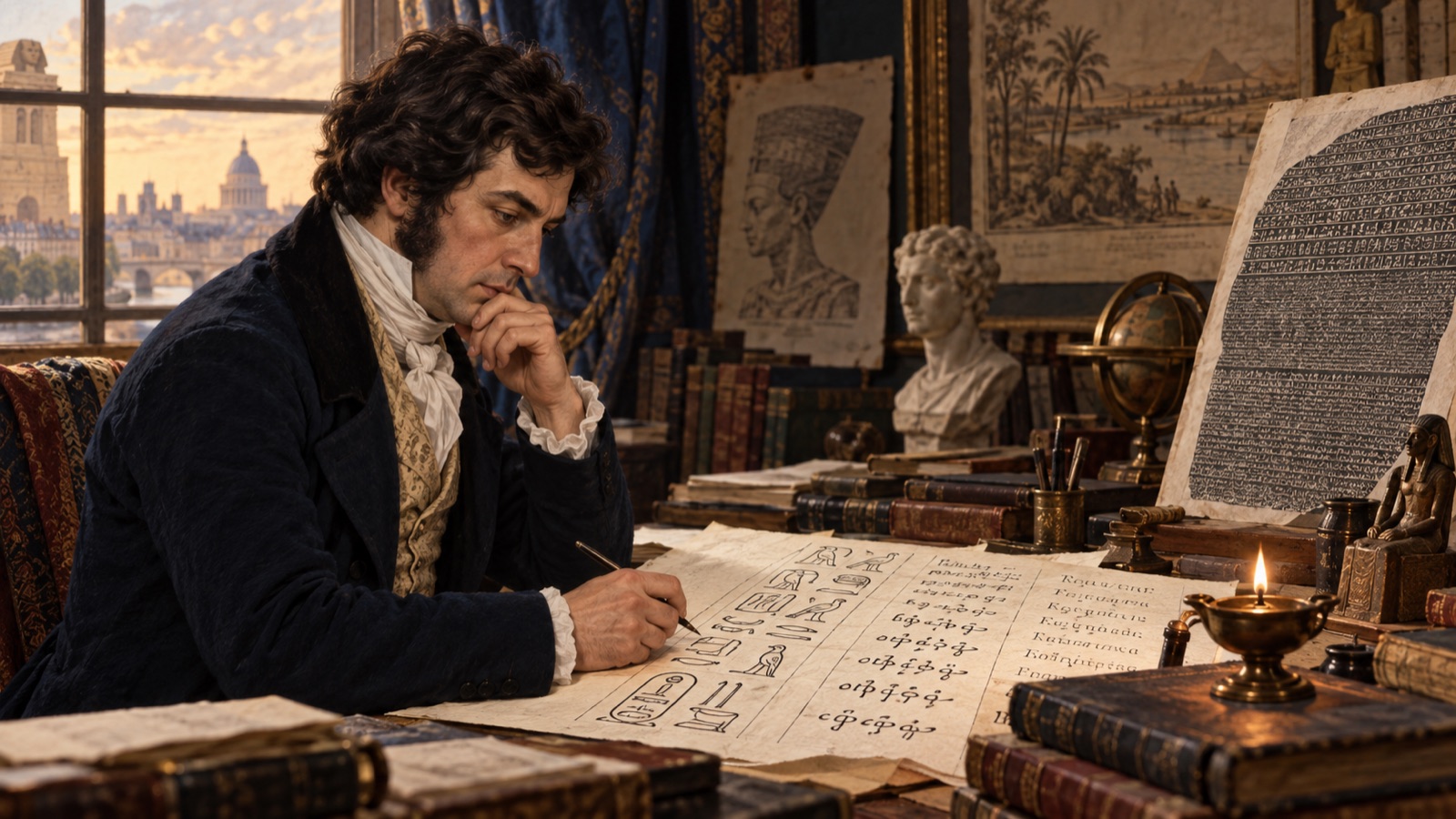
Jean-François Champollion presented findings that marked a turning point in deciphering Egyptian hieroglyphs. Signs in royal names could represent sounds, rather than simply pictures or ideas.
Read the dossier ↗
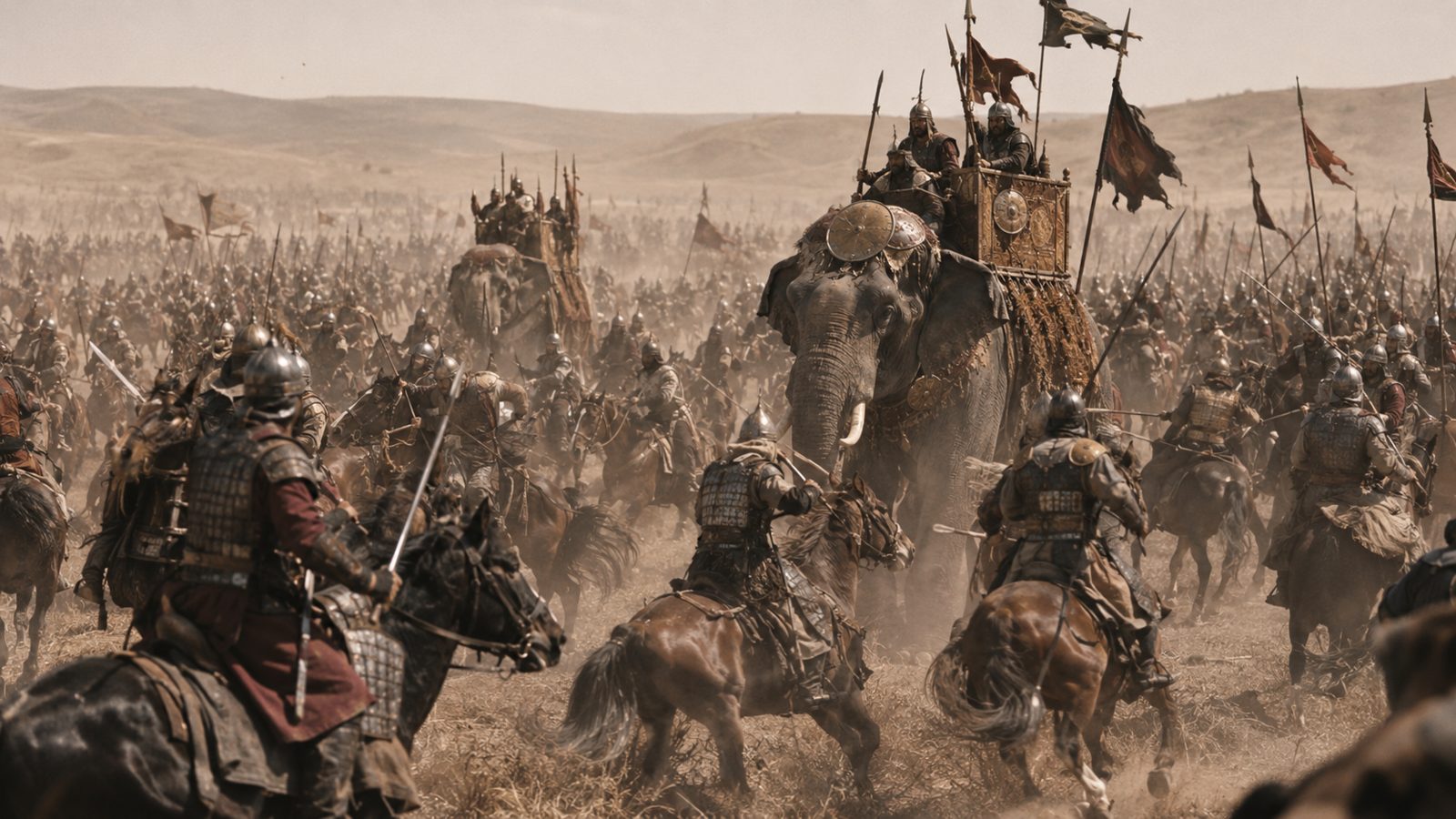
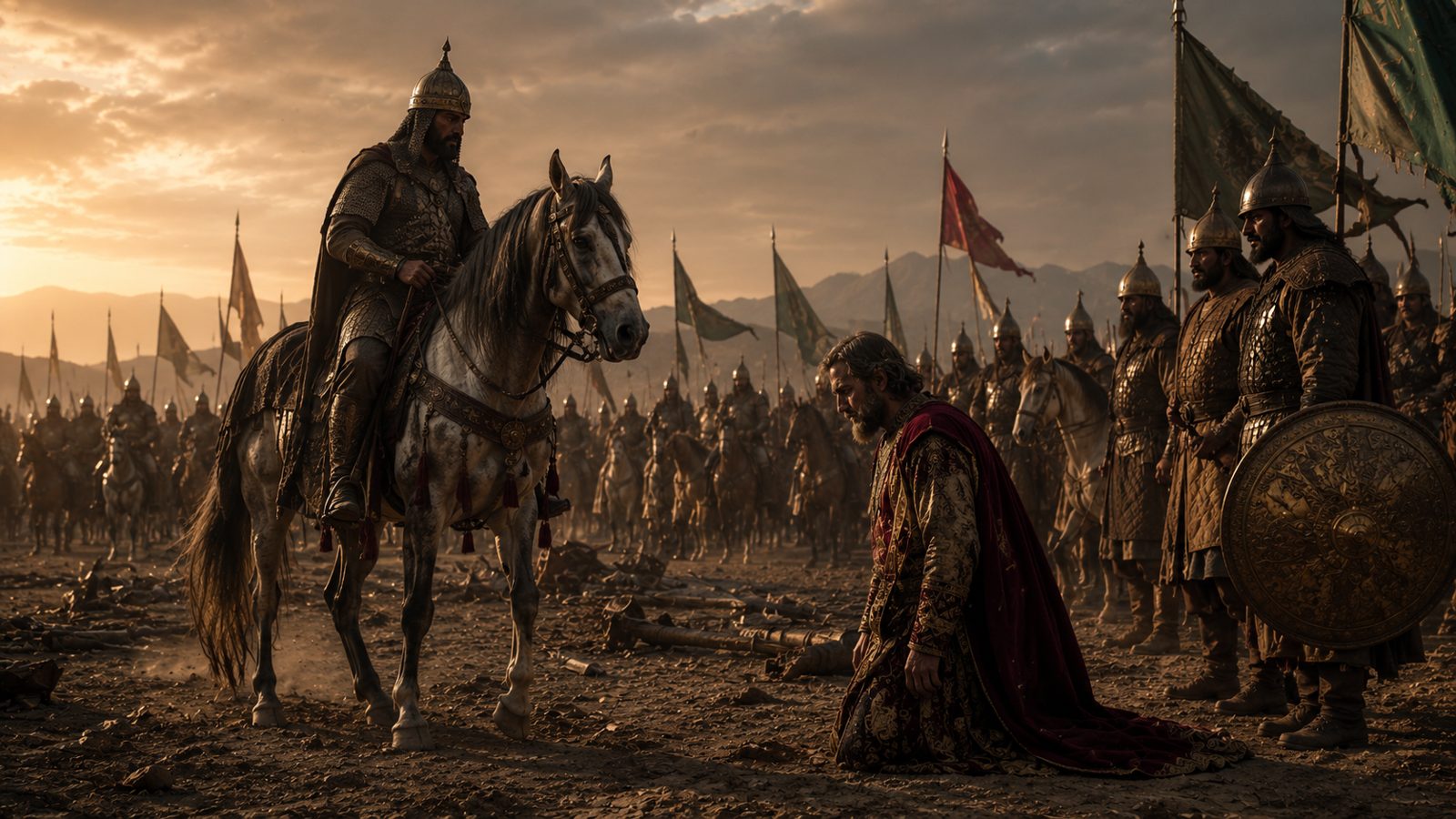
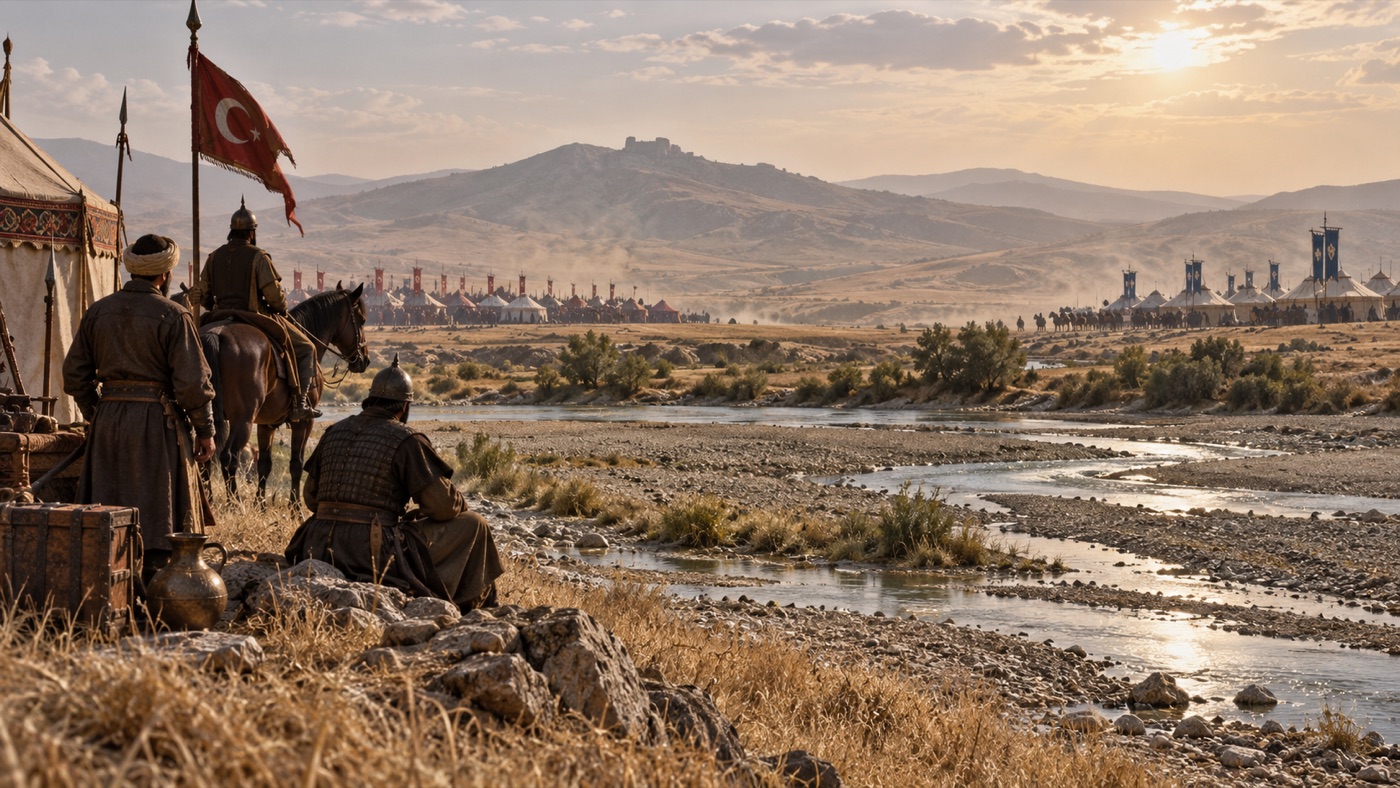
The armies of Timur and Sultan Bayezid I met near Ankara. The Ottoman defeat ended with Bayezid captured and opened a struggle over the future of his state.
Read the dossier ↗
Julius Caesar was killed by a group of senators in the meeting hall adjoining Pompey's Theatre. Ancient accounts describe 23 stab wounds and a conspiracy involving prominent Roman politicians.
Read the dossier ↗
Vesuvius erupted violently, sending ash, pumice and gases across the Bay of Naples. Pompeii and neighbouring settlements were overwhelmed in a disaster preserved in both archaeological remains and written testimony.
Read the dossier ↗
Seljuk forces led by Alp Arslan defeated the army of Emperor Romanos IV Diogenes near Manzikert. The Byzantine emperor was captured during a battle with lasting political consequences.
Read the dossier ↗
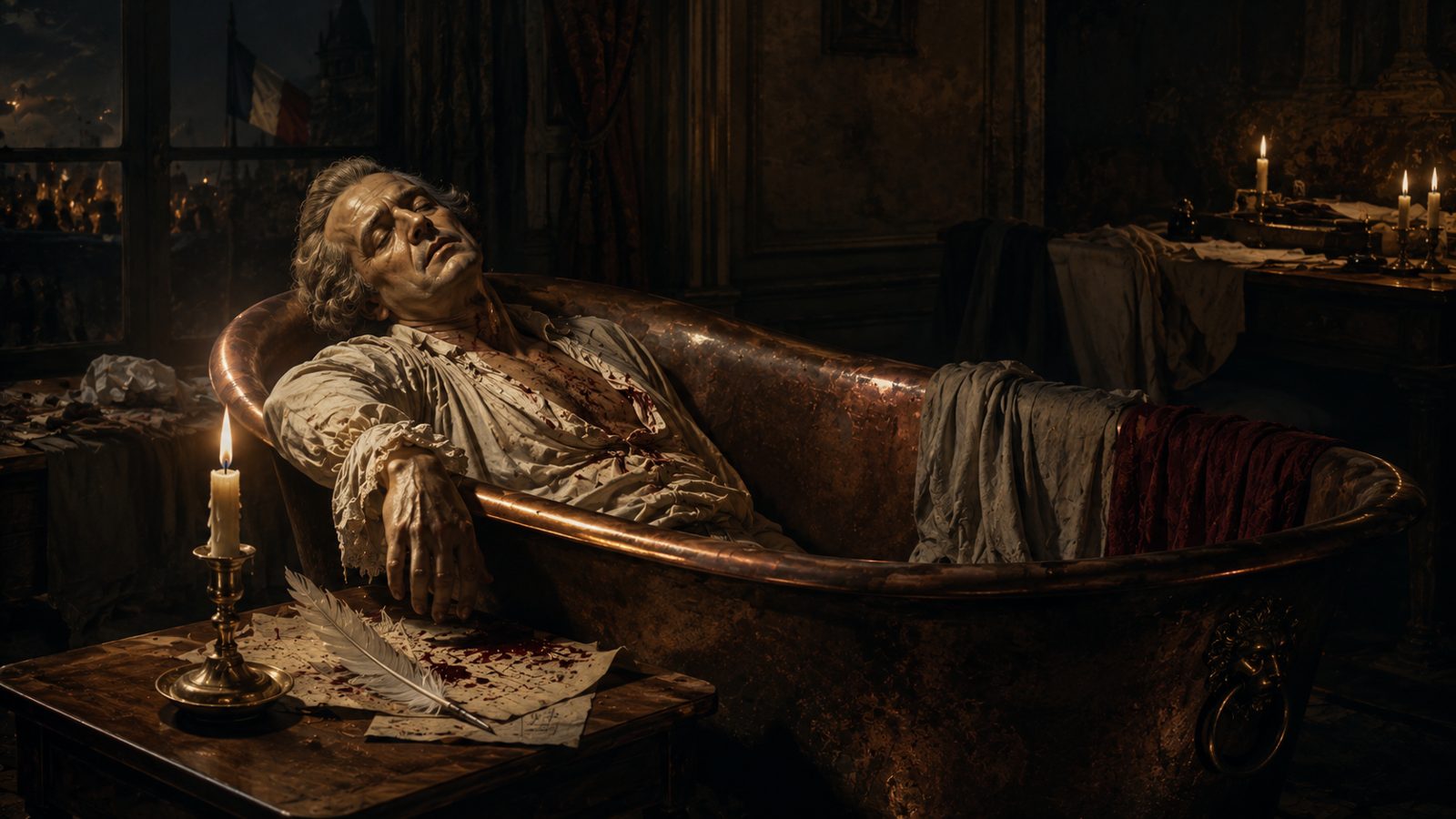
The revolutionary journalist Jean-Paul Marat was stabbed at his home by Charlotte Corday. His skin condition meant he often worked while sitting in a bath, which became the setting of the assassination.
Read the dossier ↗
A Greek force led by the Spartan king Leonidas resisted the much larger Persian army at Thermopylae. The narrow passage limited the number of soldiers who could fight at once.
Read the dossier ↗
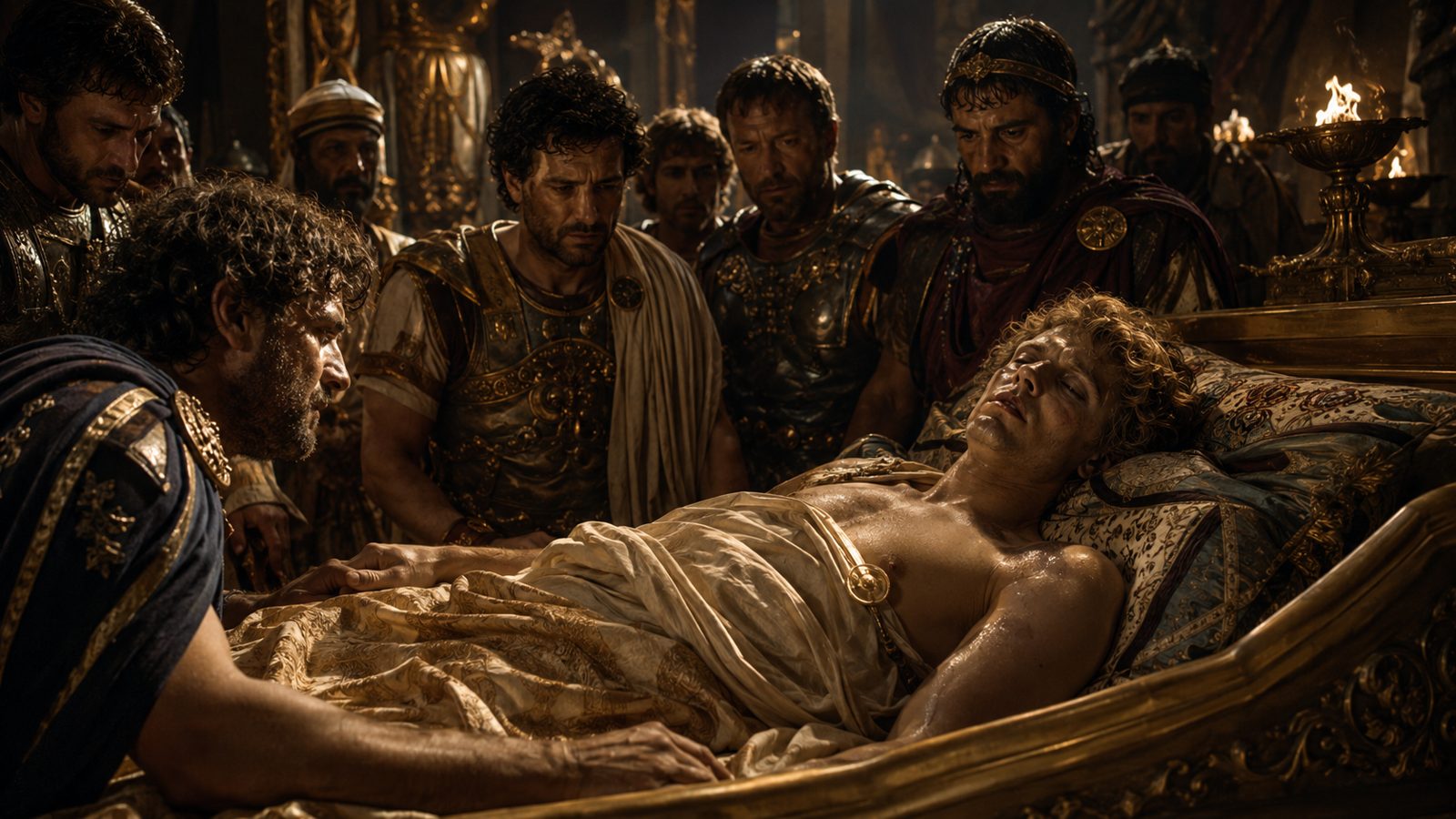
Alexander died in Babylon after a prolonged illness, leaving an empire stretching from the eastern Mediterranean towards India. His death created an immediate crisis of succession.
Read the dossier ↗
Roman forces captured and devastated Carthage after a prolonged siege. The destruction ended the Third Punic War and removed a major rival in the western Mediterranean.
Read the dossier ↗
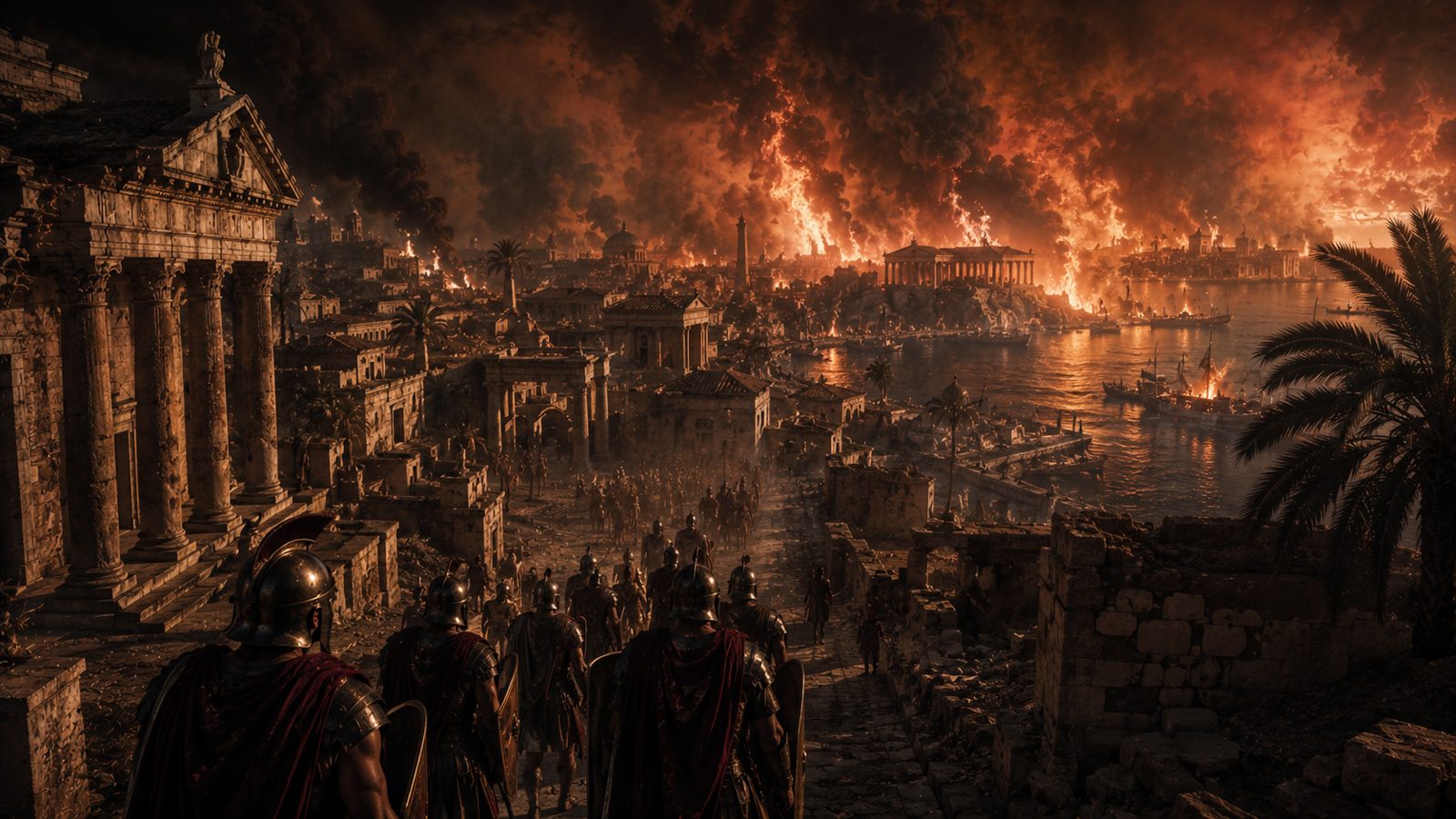
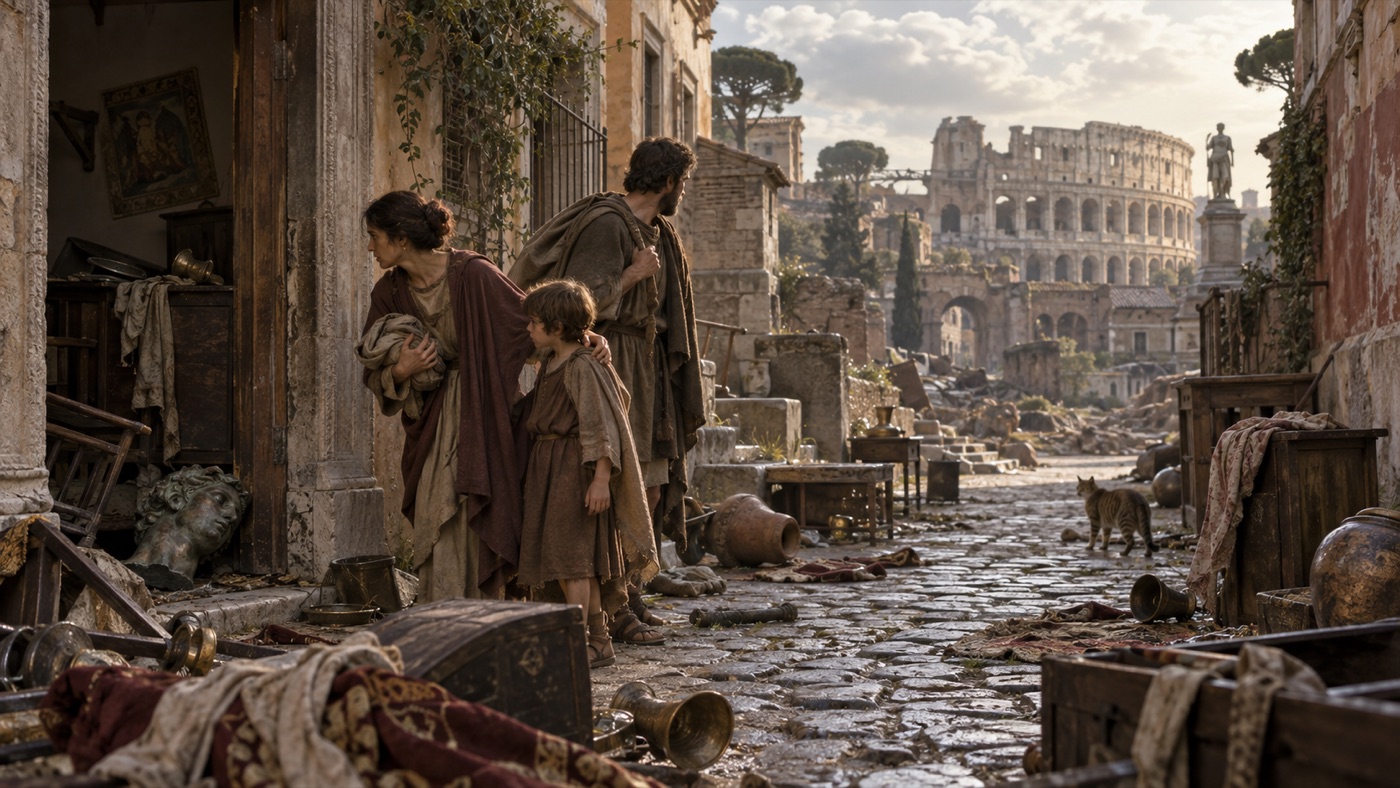
Visigothic forces led by Alaric entered Rome and sacked the city. The capture shattered the image of an invulnerable capital and sent a shock through the Roman world.
Read the dossier ↗
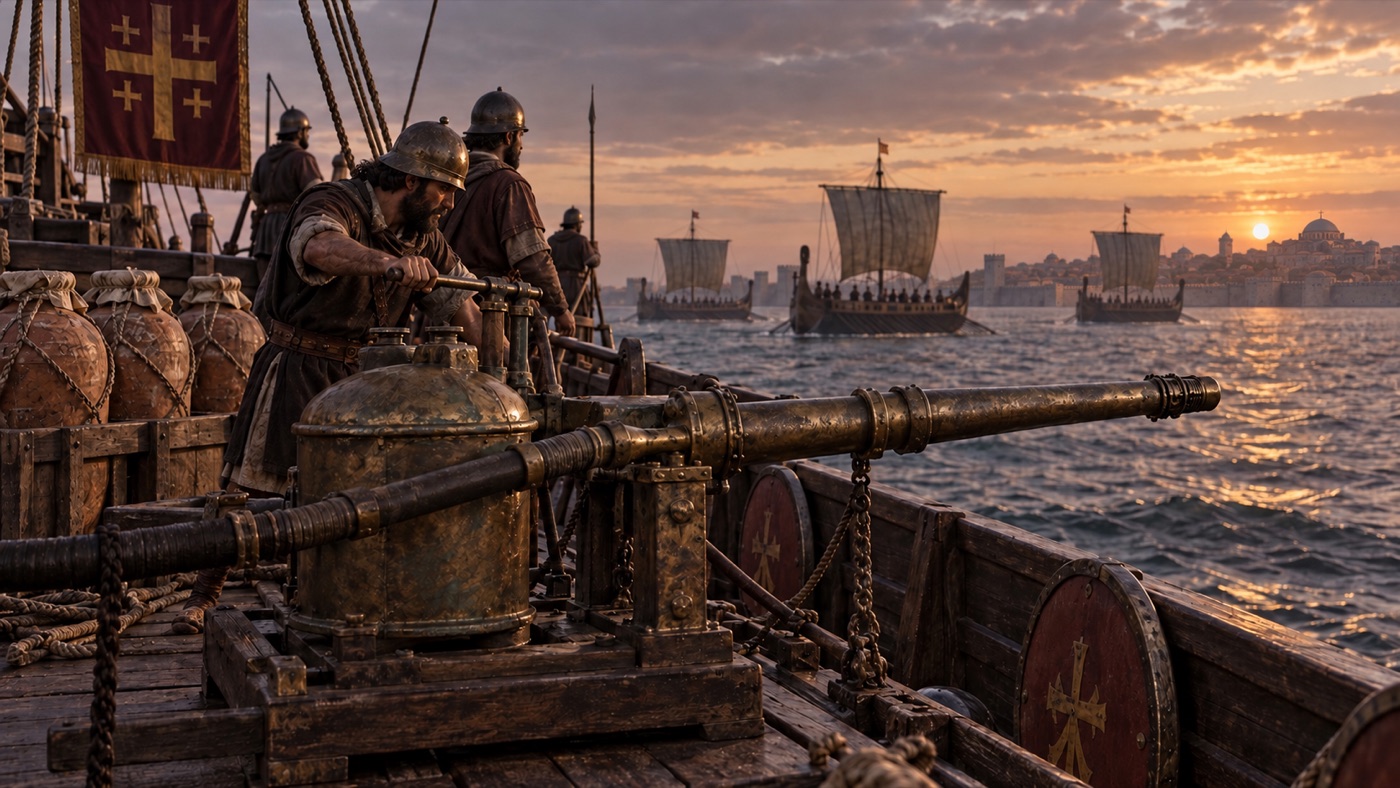
Byzantine naval warfare was transformed by an incendiary weapon remembered as Greek fire. Accounts describe flames projected towards enemy vessels and burning on the water's surface.
Read the dossier ↗
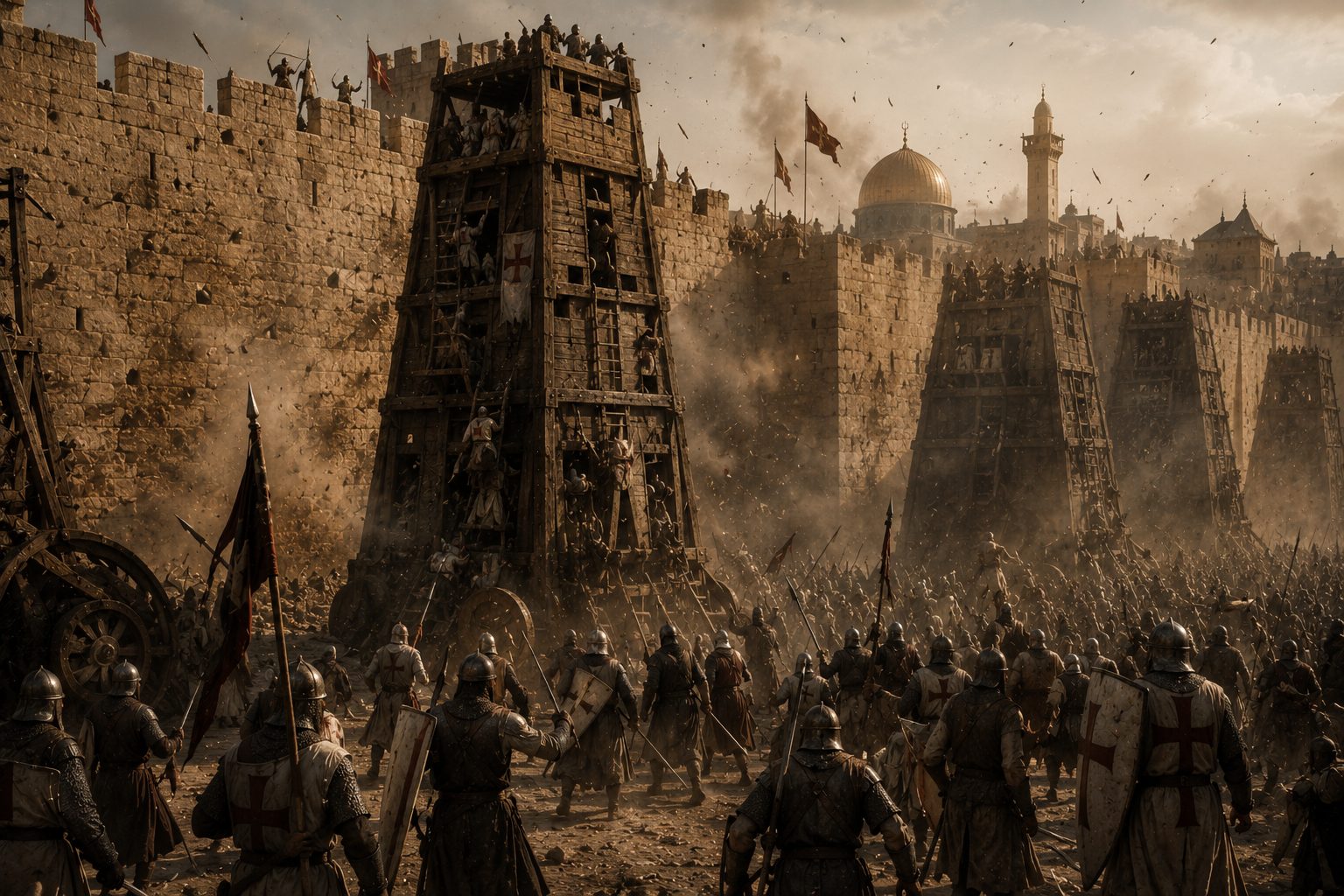
The armies of the First Crusade captured Jerusalem after a siege marked by shortages of water and supplies. Siege towers helped attackers reach and breach the city's defences.
Read the dossier ↗
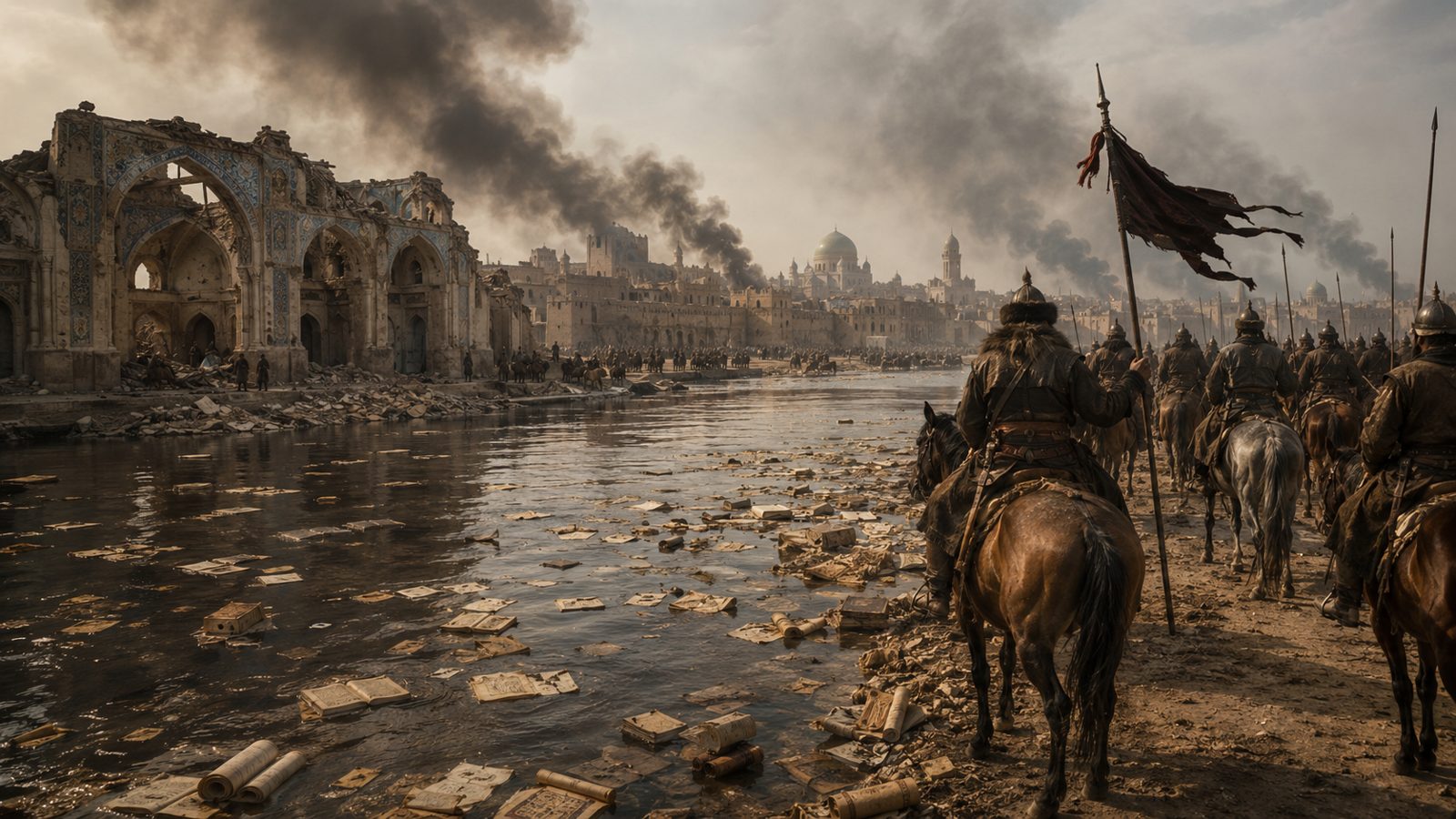
Mongol forces led by Hülegü captured Baghdad, bringing Abbasid rule in the city to an end. The siege and its aftermath caused immense destruction and loss of life.
Read the dossier ↗
A deadly epidemic spread through Mediterranean trading routes, with ships and port cities central to the story. Messina became one of the best-known early points in European accounts of the Black Death.
Read the dossier ↗
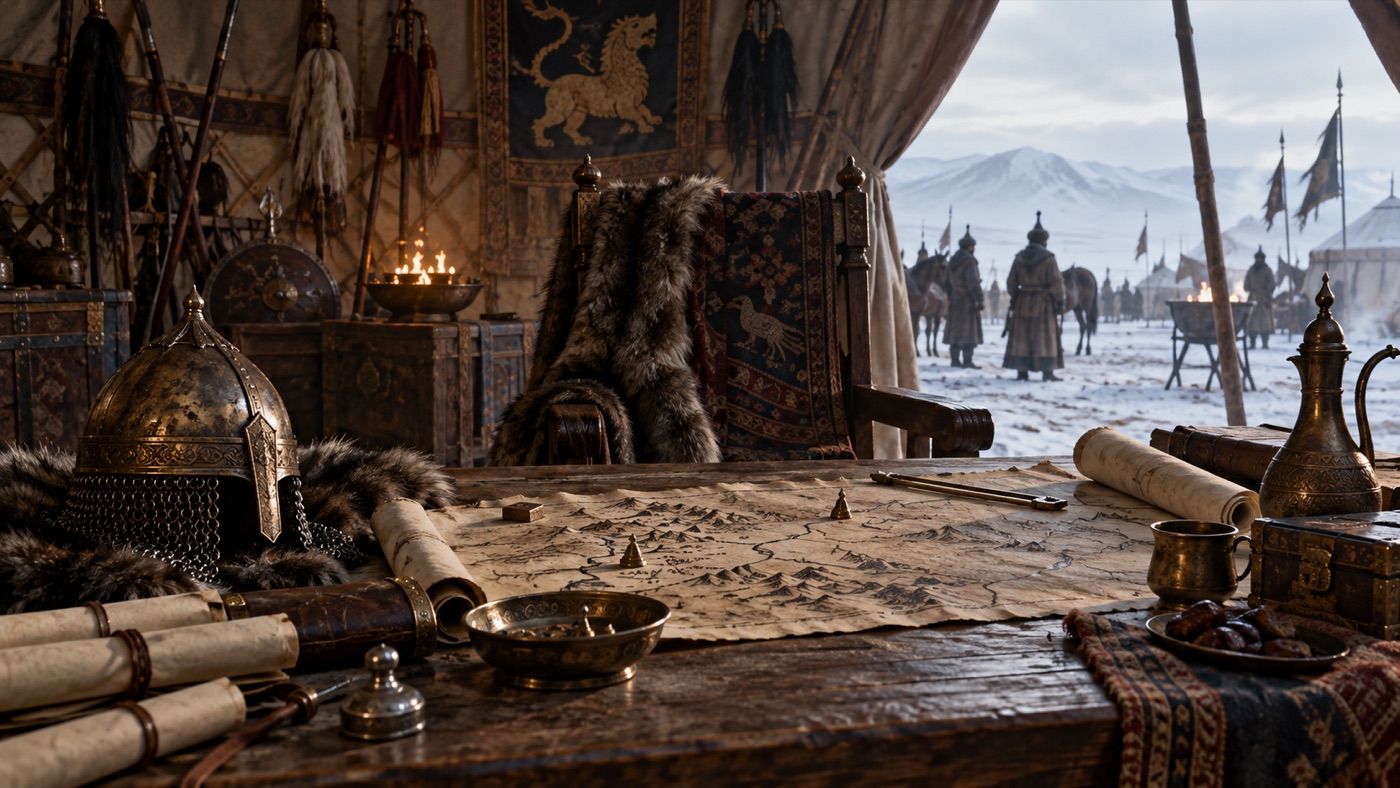
Timur died at Otrar during preparations for his campaign against China. His death halted an immense military undertaking and raised urgent questions about succession.
Read the dossier ↗
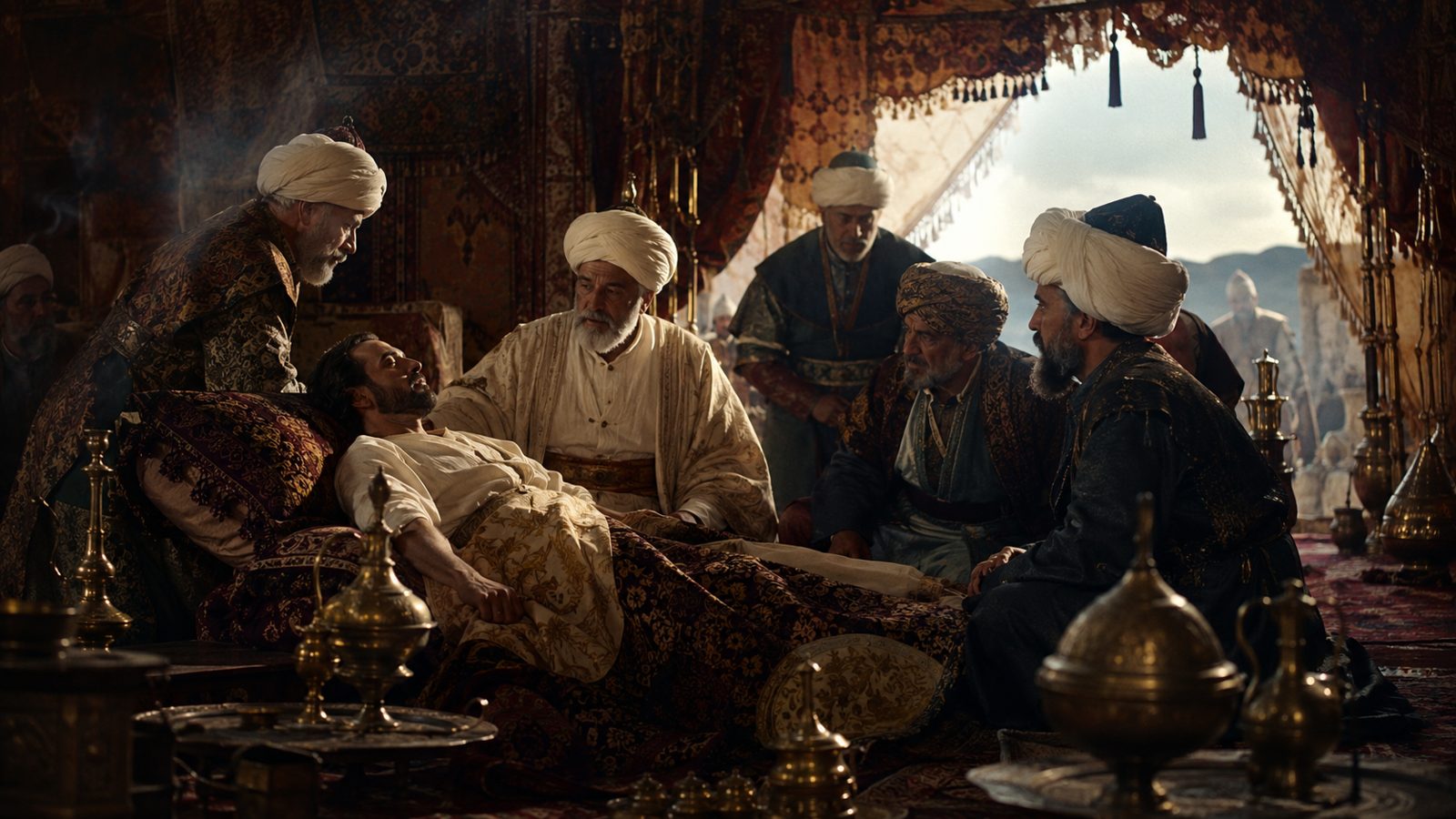
Sultan Mehmed II died at an army camp near Gebze while preparing for another campaign. The secrecy surrounding its destination added to the questions raised by his sudden death.
Read the dossier ↗
An iron dagger found with Tutankhamun's burial goods has attracted attention for the origin of its metal. Modern scientific analysis supports a meteoritic source for the blade.
Read the dossier ↗
The body known as Ötzi preserves an extraordinary record of Copper Age life. Clothing, equipment, tattoos and physical remains also provide evidence of a violent death.
Read the dossier ↗
The Swedish warship Vasa sank shortly after leaving Stockholm on its first voyage. Spectators gathered for a display of royal power instead witnessed a catastrophic failure.
Read the dossier ↗
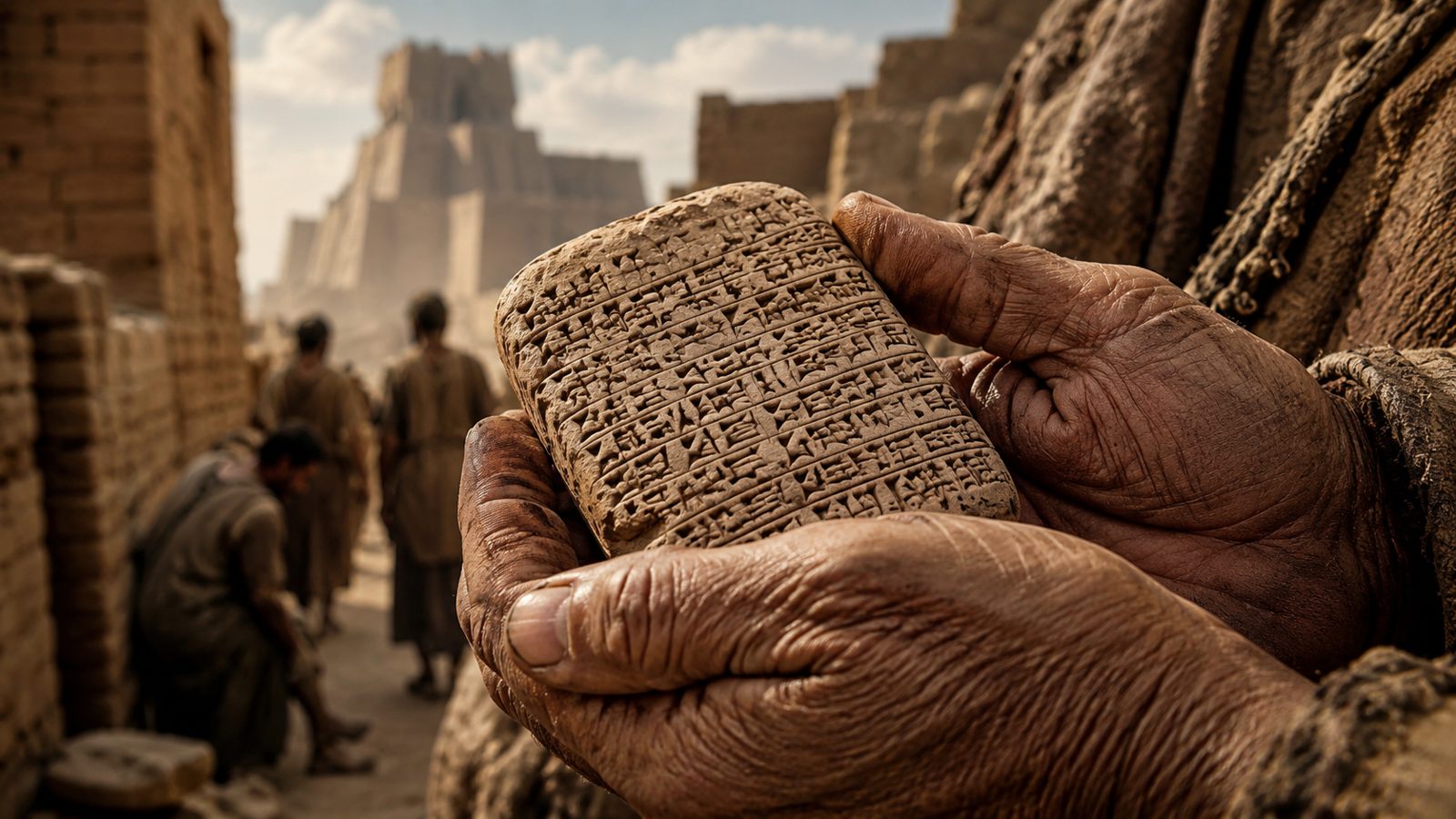
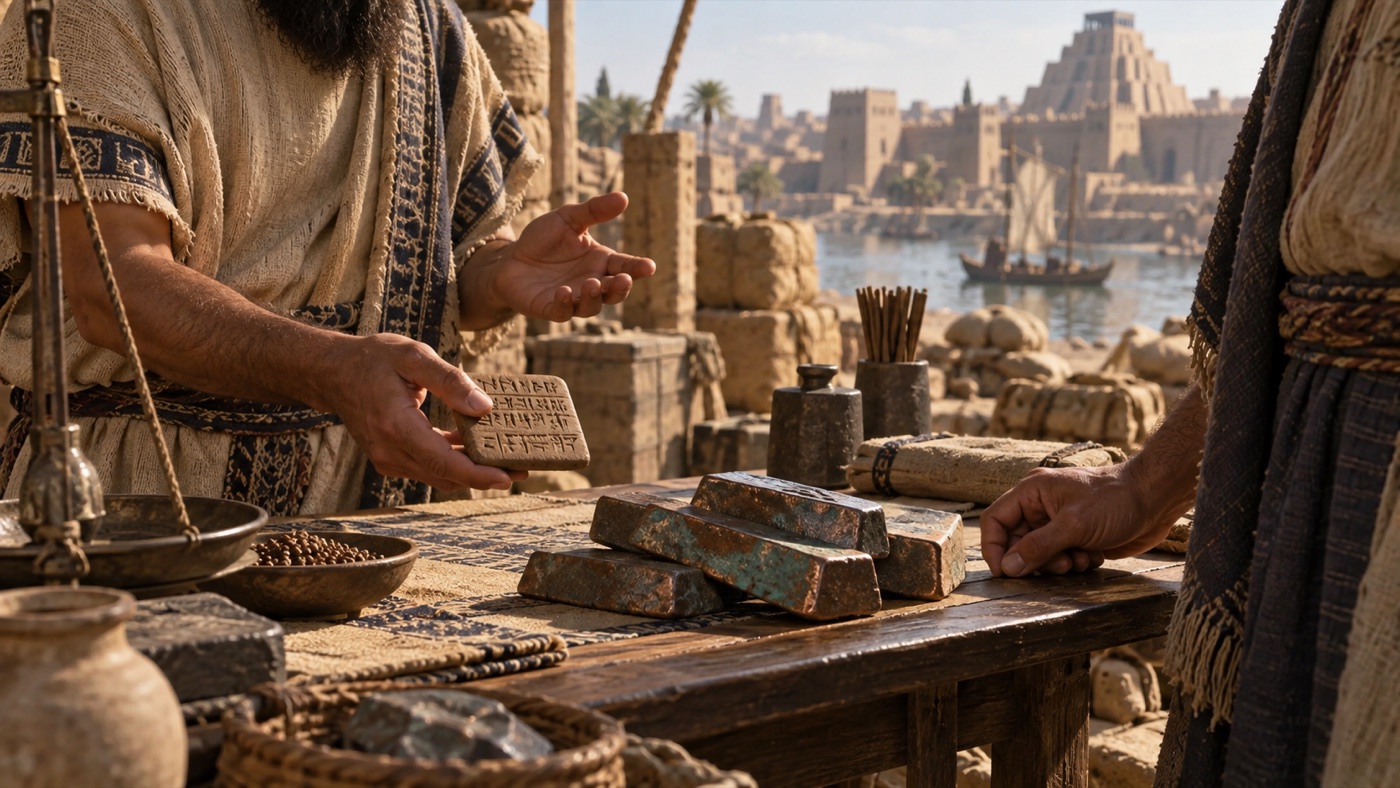
A complaint addressed to the merchant Ea-Nasir preserves the frustration of a customer named Nanni. Poor-quality copper and the treatment of his messenger were at the heart of the dispute.
Read the dossier ↗
Archduke Franz Ferdinand and his wife Sophie were assassinated during a visit to Sarajevo. Gavrilo Princip's attack turned a dynastic tragedy into an international crisis.
Read the dossier ↗
Bolshevik forces took key positions in Petrograd as the Provisional Government lost power. The upheaval followed months of war, shortages and political crisis.
Read the dossier ↗
Nazi Germany launched Operation Barbarossa across a vast front. The invasion ended the German–Soviet non-aggression pact and transformed the scale of the war in the east.
Read the dossier ↗
The International Military Tribunal opened proceedings against leading figures of Nazi Germany. The trial addressed aggressive war, war crimes and crimes against humanity.
Read the dossier ↗No dossiers match your search. Try another word or topic.
Five fictional editorial personas offer different ways of reading the past.

The Battle of Ankara is easy to turn into a chessboard: Timur on one side, Bayezid on the other. Yet the armies on the Çubuk Plain carried different loyalties and expectations. An imperial map has fixed colours; allegiance does not.
Read the column ↗
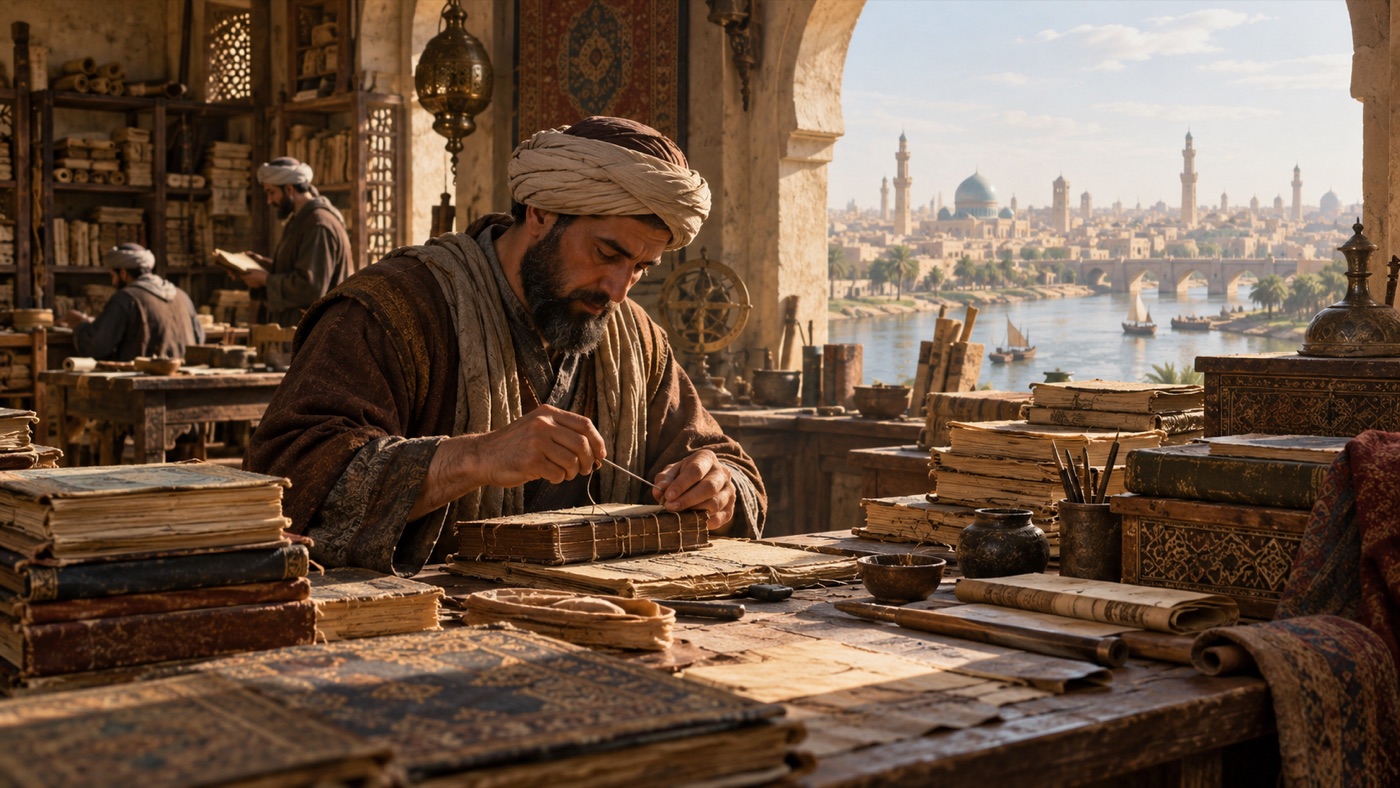
The story of the Tigris turning black with ink is an image of destruction, not a verified measurement. When I think about Baghdad in 1258, I picture a bookbinder's bench. Knowledge lives in people and practices as well as shelves.
Read the column ↗
History can be an angry customer's letter. Nanni's complaint to Ea-Nasir challenges both the quality of copper and the way he was treated. The emotion in the clay feels familiar across thousands of years.
Read the column ↗Fictional dialogues, AI-generated illustrations. No audio or video recordings.

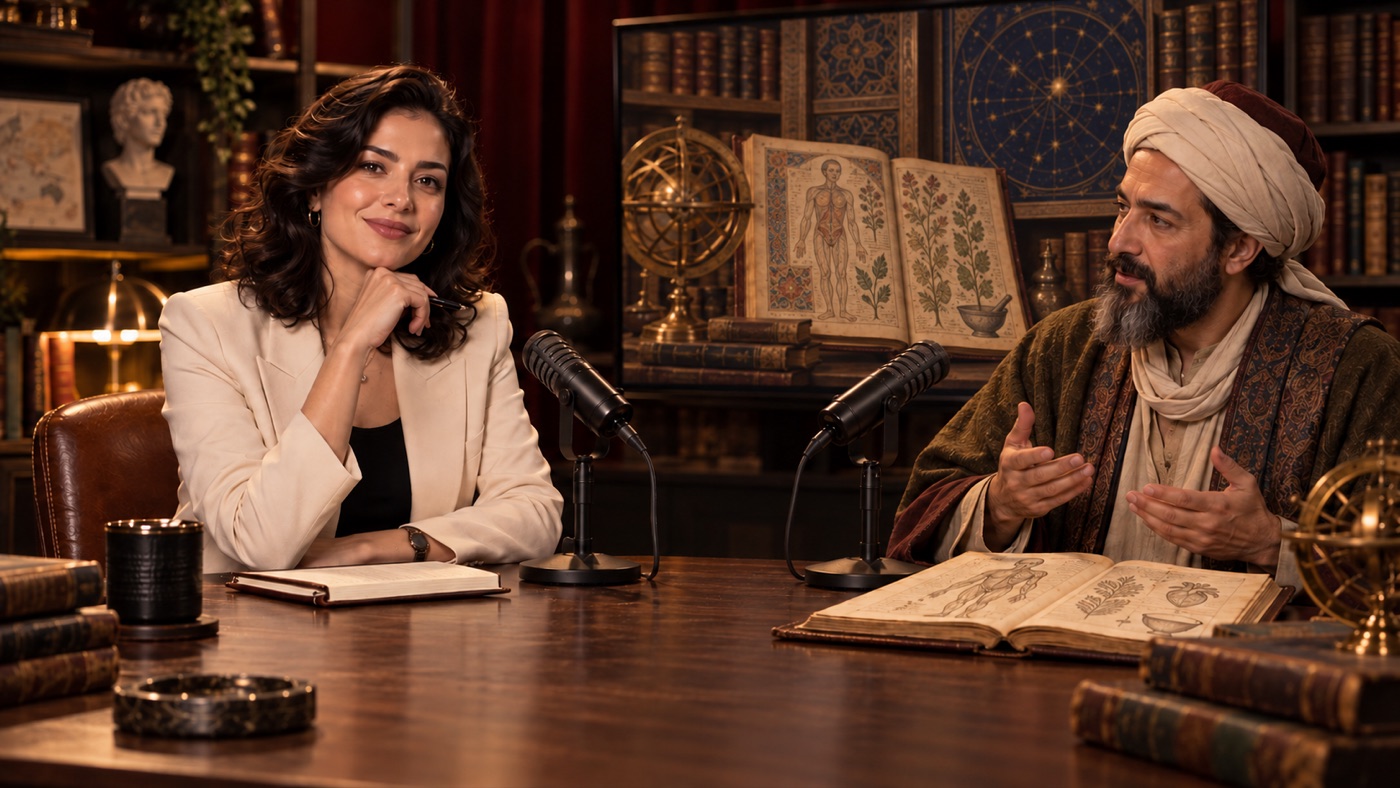
An imagined conversation about the Canon of Medicine and the relationship between a written text and bedside observation.
Read the conversation ↗
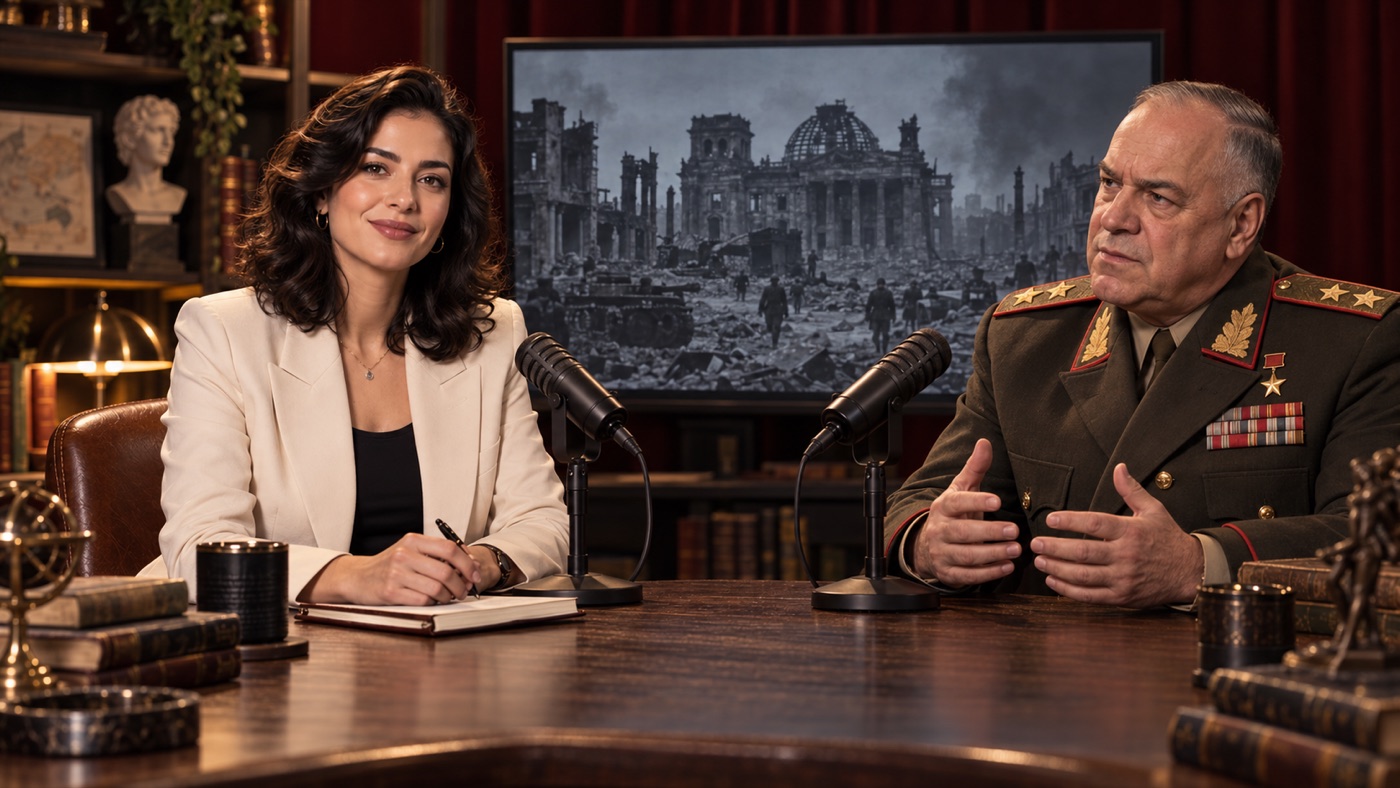
An imagined conversation about invasion, military decisions and the human cost obscured by arrows on a map.
Read the conversation ↗
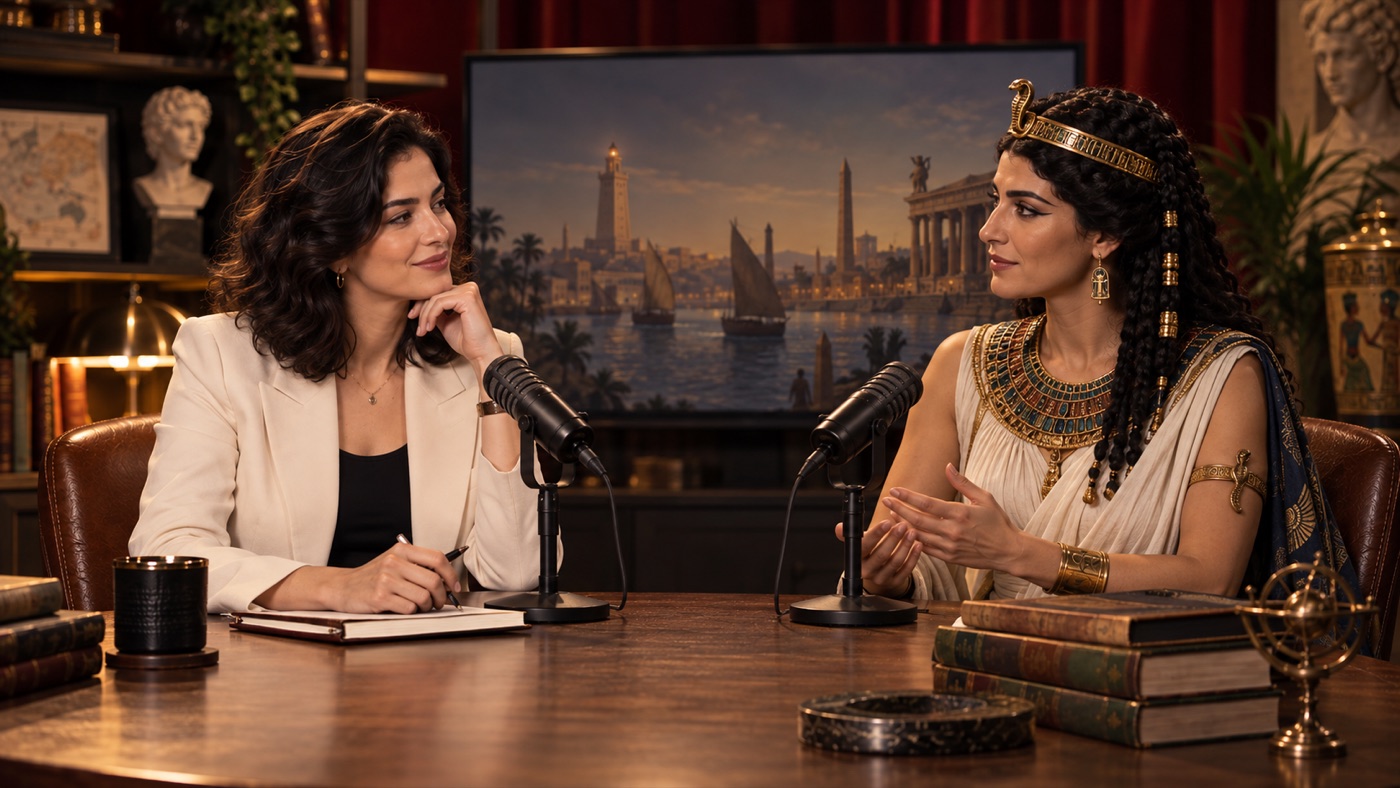
An imagined conversation about diplomacy, dynastic power and the choices available to Egypt's queen.
Read the conversation ↗