Constantinople falls: the Byzantine Empire comes to an end
After a 53-day siege, Ottoman troops broke through the city's defences. Sultan Mehmed II's victory ended the Byzantine Empire and reshaped the eastern Mediterranean.

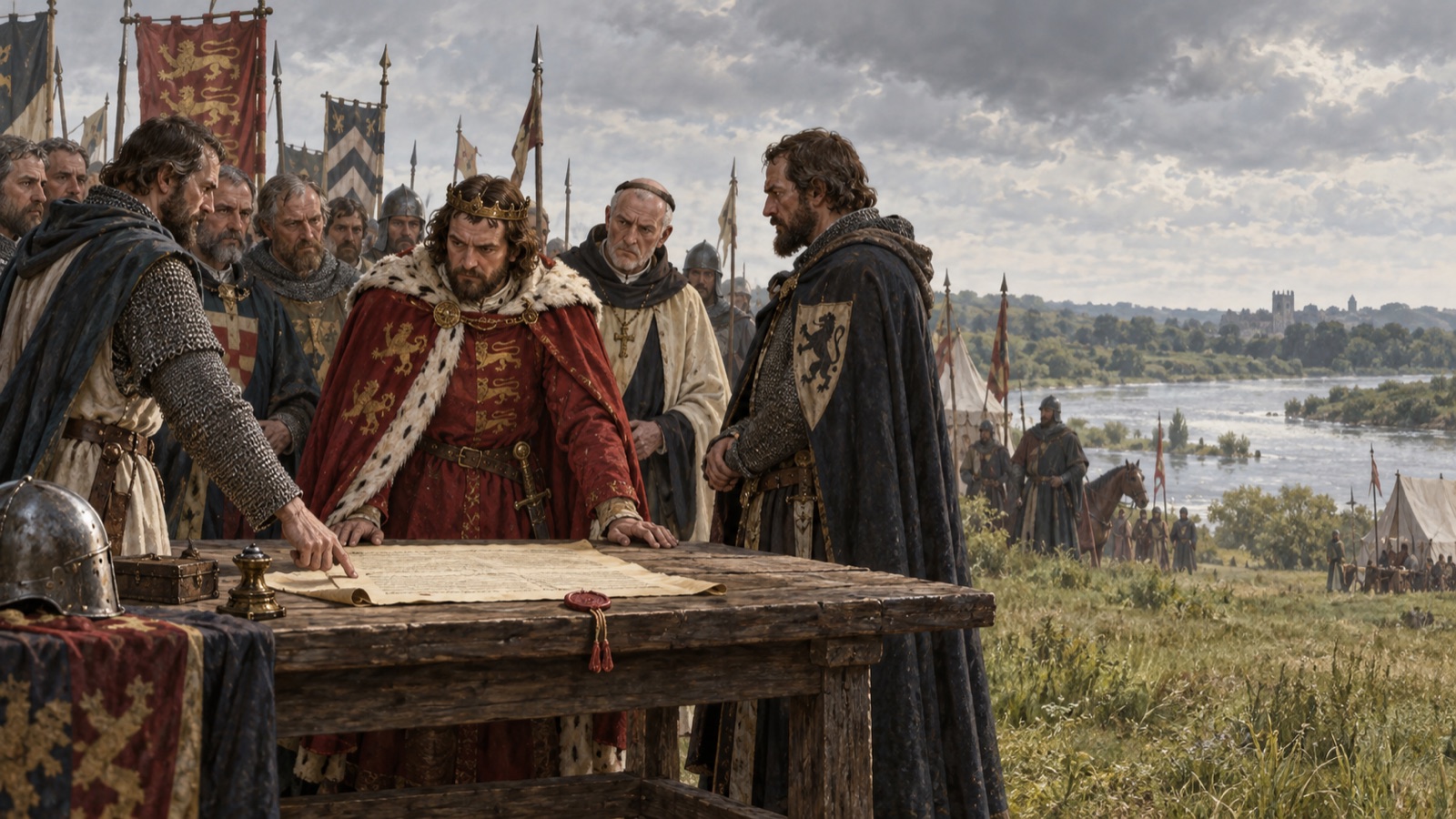
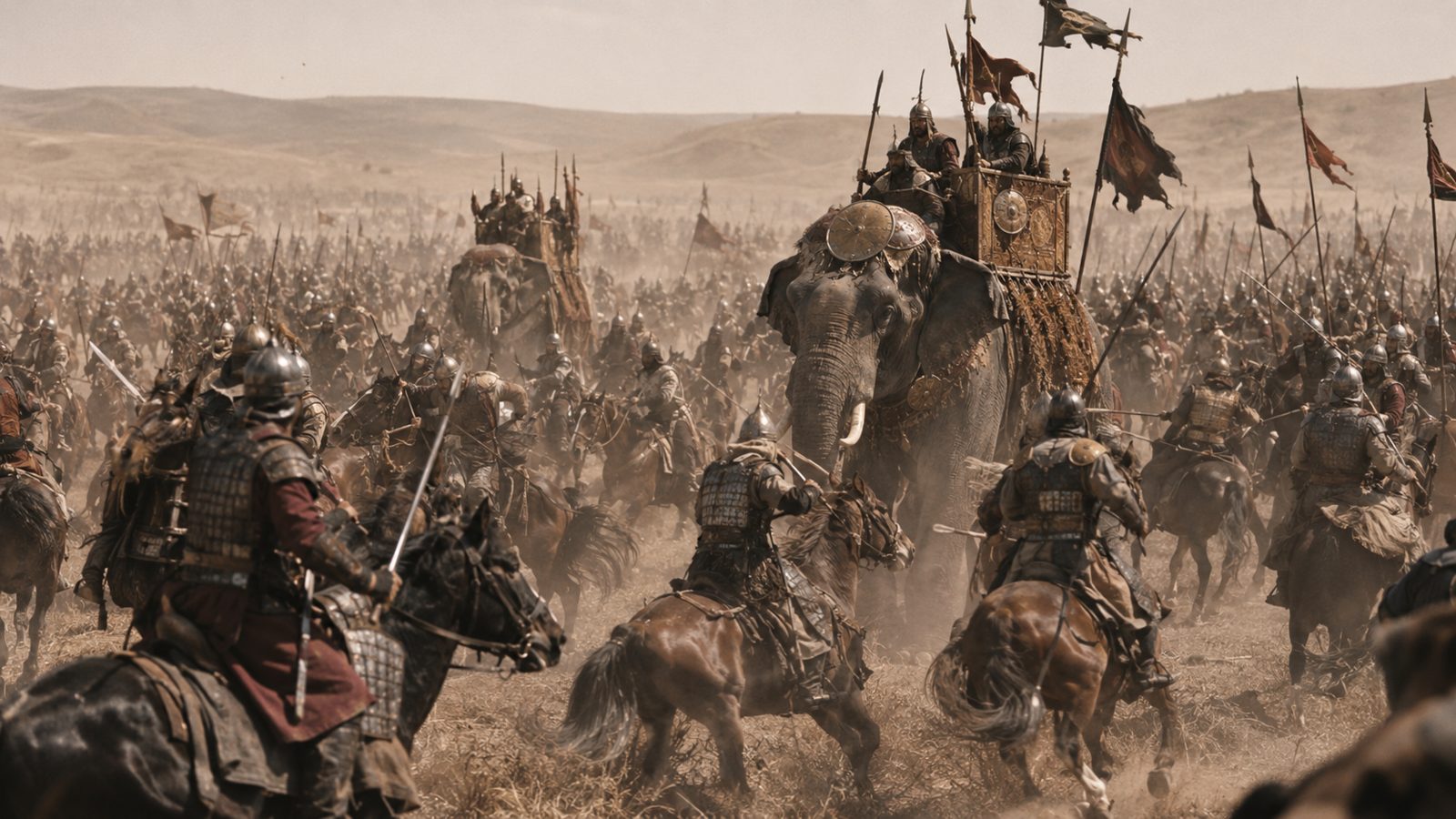
This article retells a historical event in a newspaper format. It is not a current news report. The image is an illustrative reconstruction; disputed details are identified in the text.
The Theodosian walls had protected Constantinople for centuries. Repeated bombardment and the final assault overwhelmed a defence already stretched by the long siege. Ottoman artillery and the movement of ships overland into the Golden Horn increased pressure on the city.
Accounts of the final hours differ. The story of an unguarded small gate, the Kerkoporta, is disputed; it should not be treated as a settled explanation for the city's fall. Constantine XI died during the fighting, although details of his last moments remain uncertain.
The conquest became a defining event in Ottoman and European history. Describing it as the end of an age is a later interpretation, rather than something every person in 1453 could have known. The city would become the centre of a new imperial order.