Ankara: a map of water and allegiance
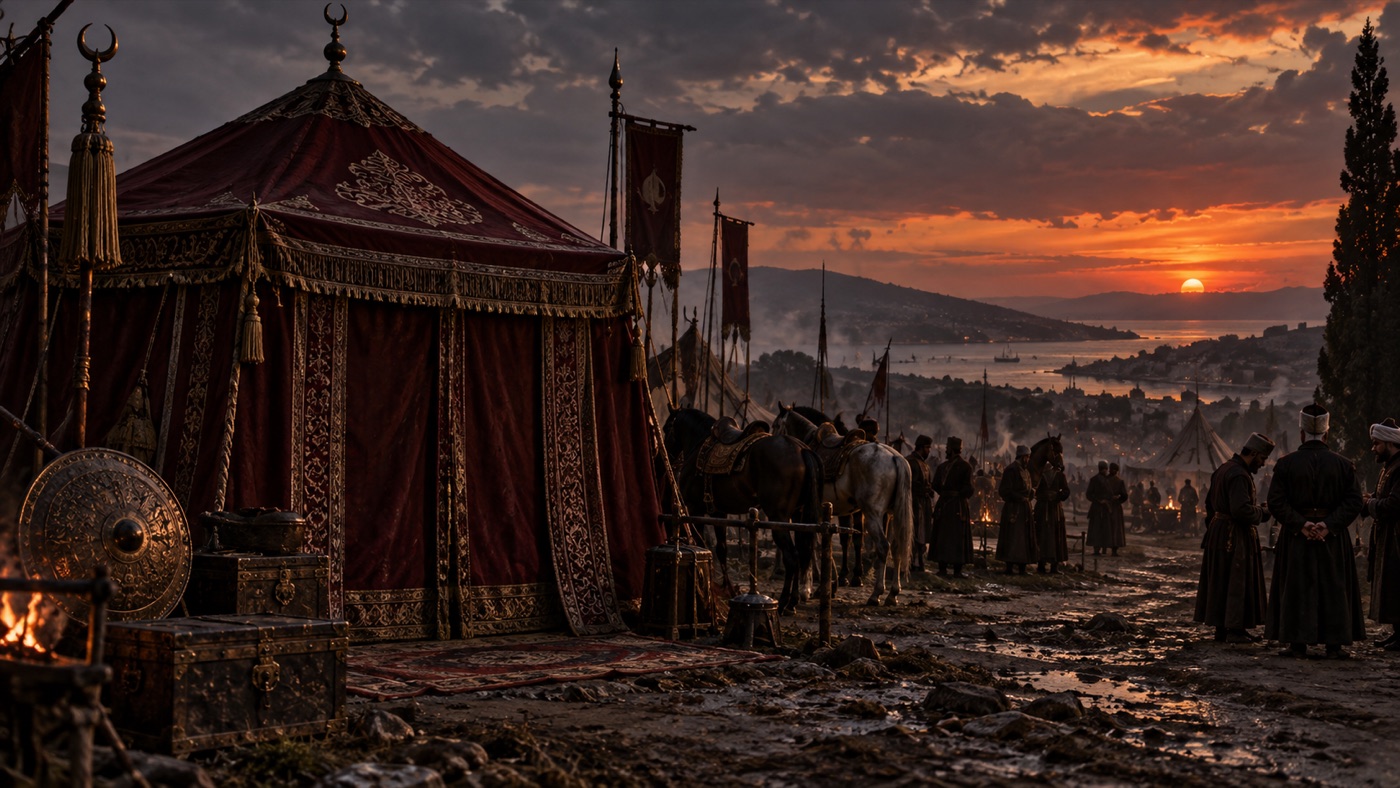
The Battle of Ankara is easy to turn into a chessboard: Timur on one side, Bayezid on the other. Yet the armies on the Çubuk Plain carried different loyalties and expectations. An imperial map has fixed colours; allegiance does not.
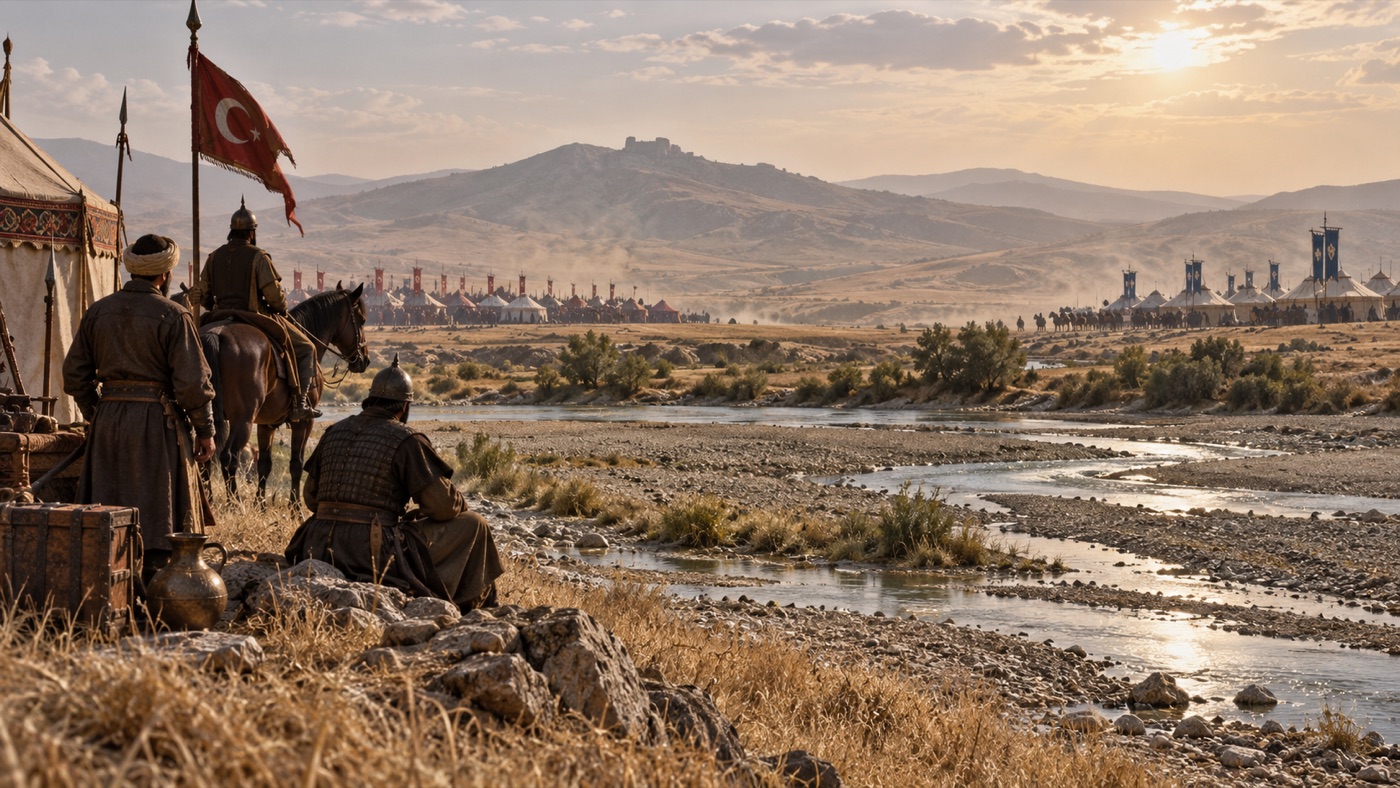
The named writer is a fictional editorial persona. This is historical commentary, not eyewitness testimony or a statement by a real person. The illustration is AI-generated.
Water mattered in the summer heat, as did distance and exhaustion. Making one stream the explanation for the whole defeat is too simple. Changes of allegiance and relations with the Anatolian principalities placed politics alongside geography.
The hardest part of the story came afterwards. Bayezid's capture opened a contest among his sons. The Interregnum tested how far the state's continuity depended on the power of one ruler.
Neither “everything ended” nor “nothing changed” describes 1402 well. Local networks, military experience and dynastic claims survived the defeat. Victory wins power on a battlefield; durability depends on the relationships that outlast it.