Who benefits from a story of poisoning?
Mehmed II's death offers the ingredients of a perfect mystery: a powerful ruler, a secret destination and an unfinished campaign. A compelling detective story, however, is not the same thing as compelling historical evidence.
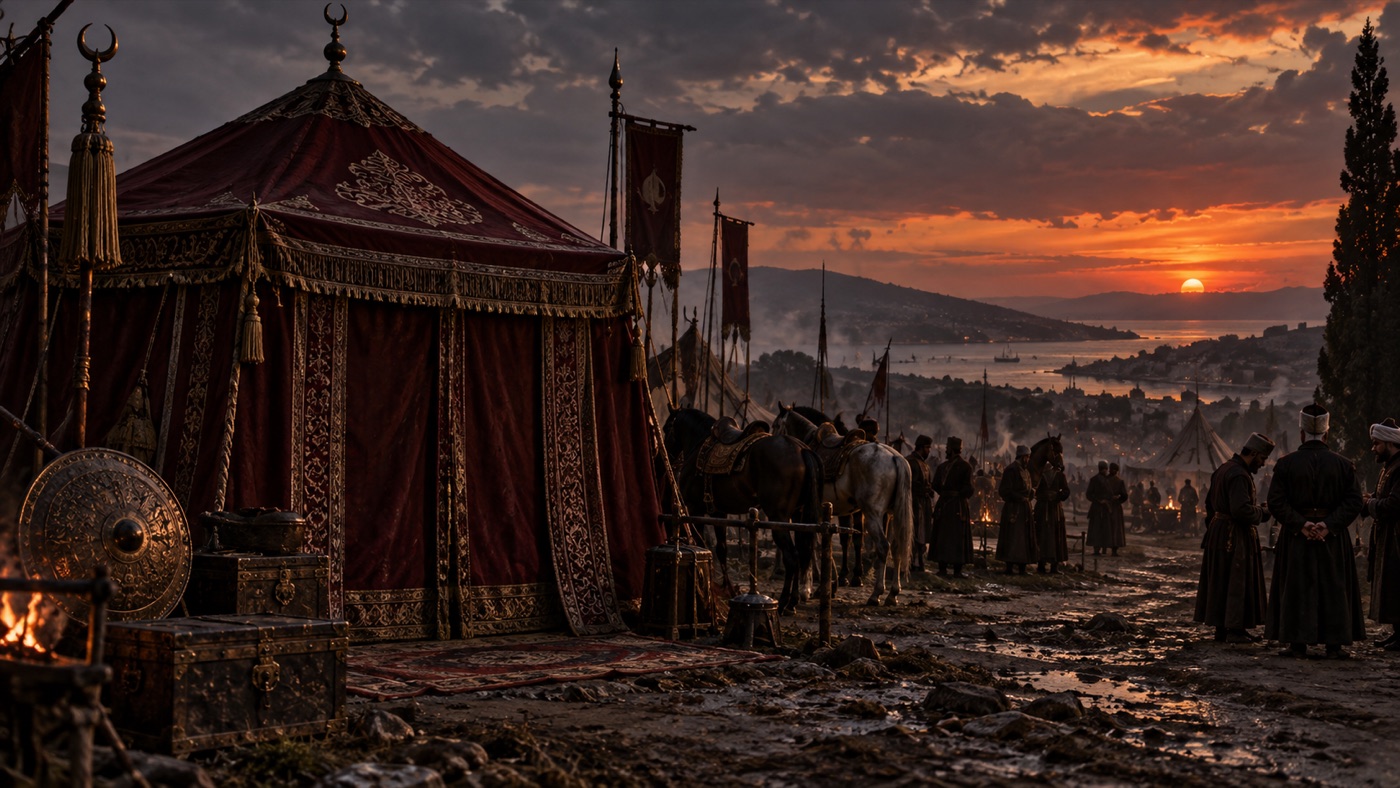
The named writer is a fictional editorial persona. This is historical commentary, not eyewitness testimony or a statement by a real person. The illustration is AI-generated.
The sources do not establish poisoning conclusively. Instead of immediately naming a physician, we can examine the political work performed by the rumour. An unexpected death turns succession into an urgent contest.
We often expect an extraordinary ruler to have an extraordinary ending. Poison supplies an intentional plot where illness leaves uncertainty. Yet a human body does not obey the ceremonial expectations of a court.
Suspicions can be investigated and sources compared. Until evidence supports a conclusion, a rumour should remain a rumour. The struggle for power that began while the cause of death was unclear is already a substantial political story.