The morning after the conquest, the city was still there
The conquest of Constantinople is often compressed into a breach in the walls and an army entering it. After the 53-day siege, the city fell on 29 May 1453. Another question begins the next morning: what does it take to keep a conquered city alive?
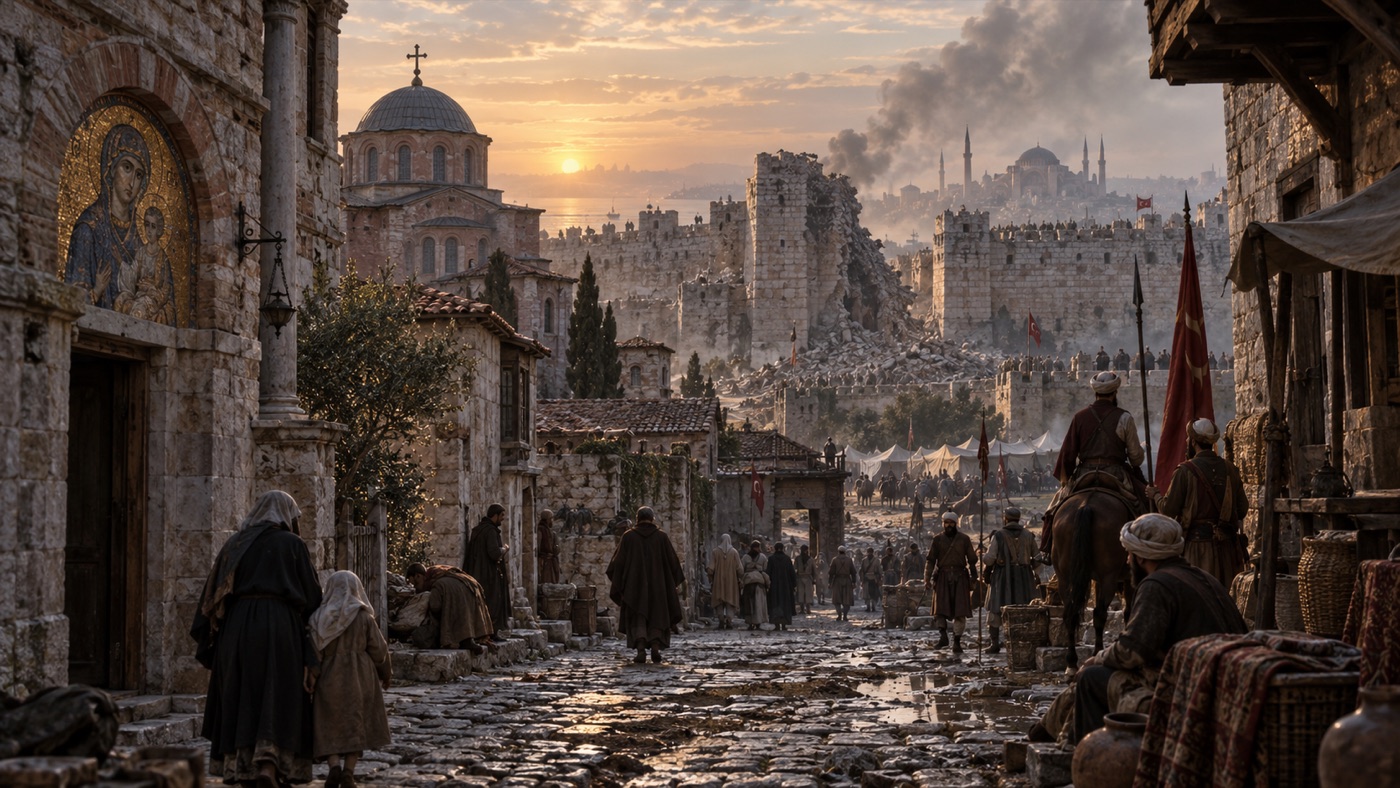
The named writer is a fictional editorial persona. This is historical commentary, not eyewitness testimony or a statement by a real person. The illustration is AI-generated.
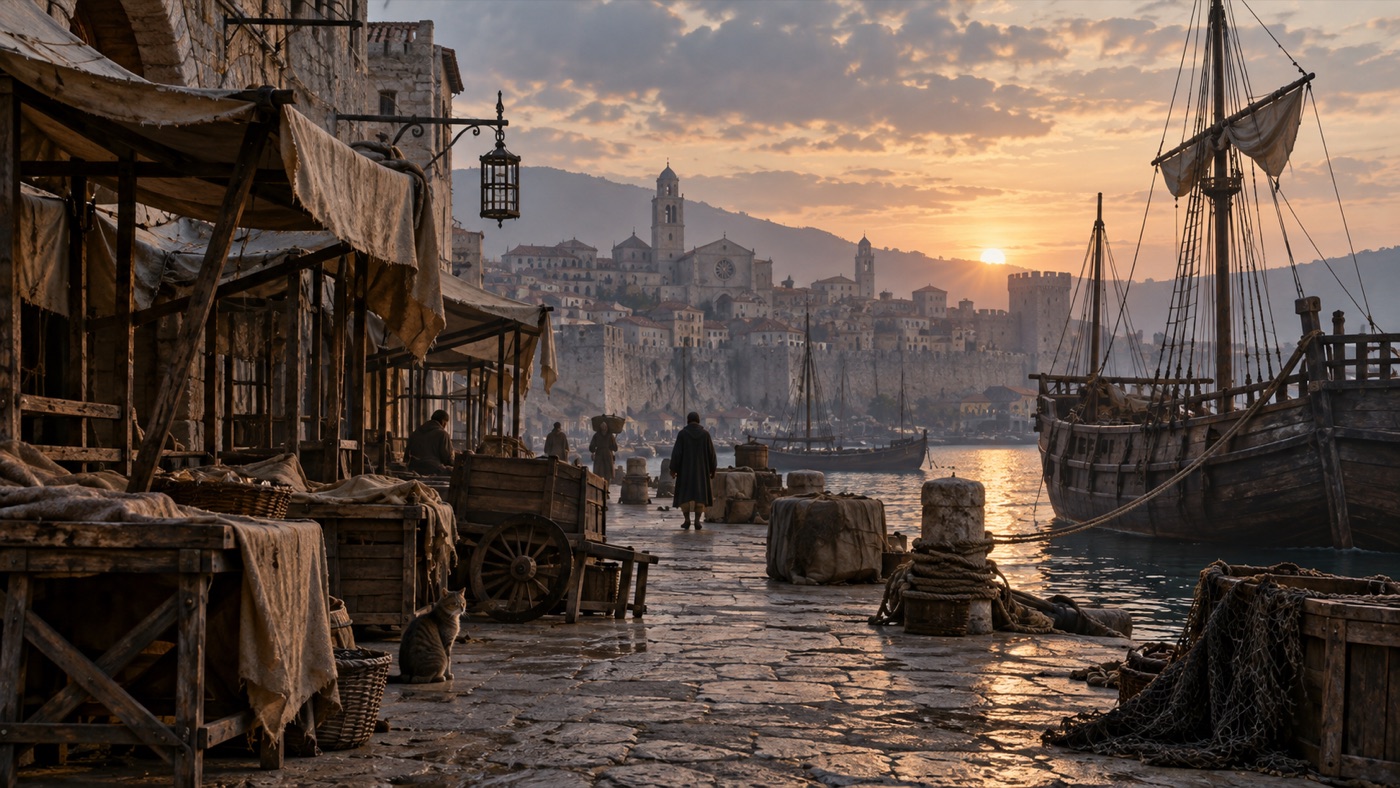
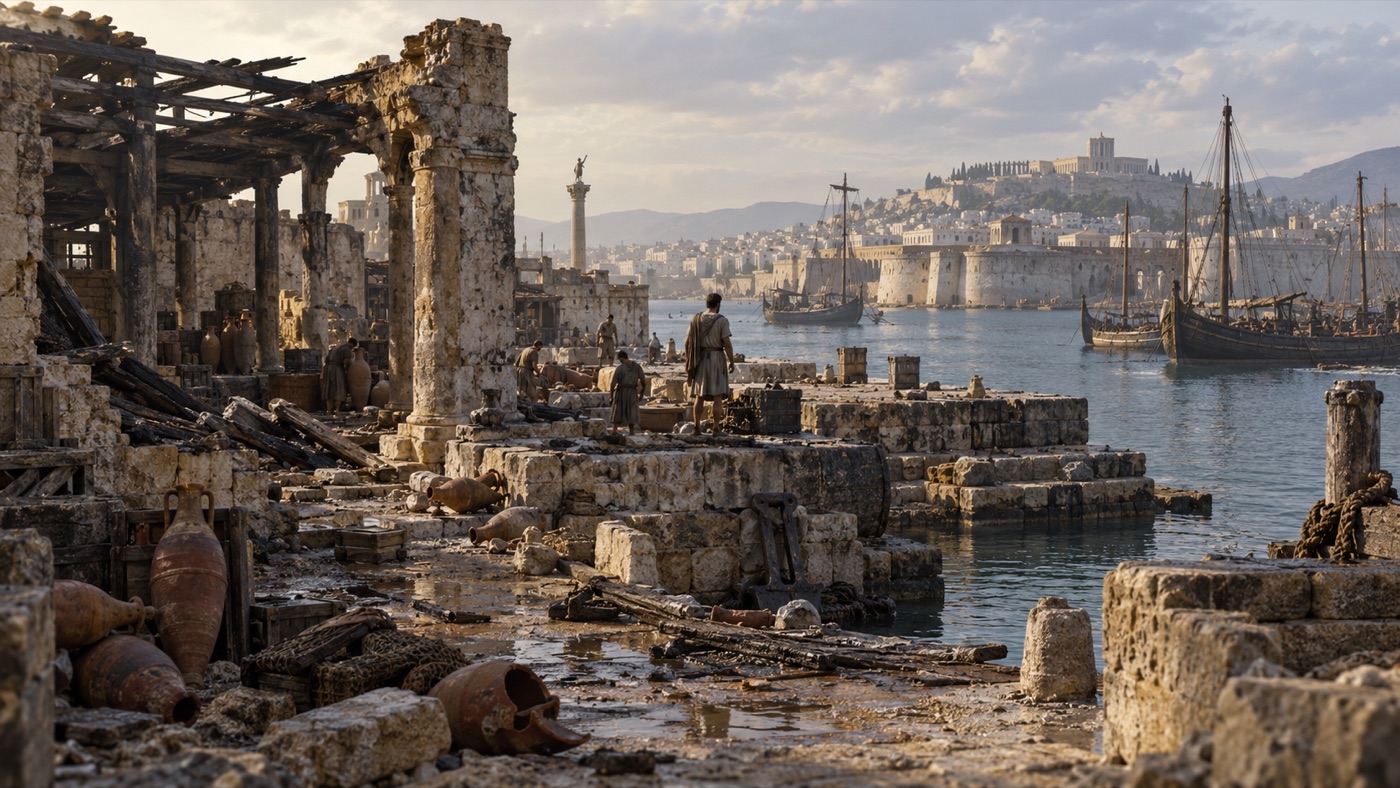
The city had harbours, places of worship, waterways, markets and memories. Repairing damage, bringing in inhabitants and renewing trade became tasks for the new government. Conquest was also the beginning of a long process of urban reconstruction.
An age does not close like a door. Byzantine political rule ended, while Roman, Greek and Orthodox inheritances continued in buildings, documents and people. The Ottoman capital transformed that inheritance through its own institutions.
Even the city's coexisting names suggest that the new world had more than one colour. Listen beyond the cannon fire: reopened gates and returning markets supply history's next sentence.