Tutankhamun: a kingdom on a child's shoulders
An imagined conversation about the young pharaoh and the restoration of royal and religious authority after Amarna.
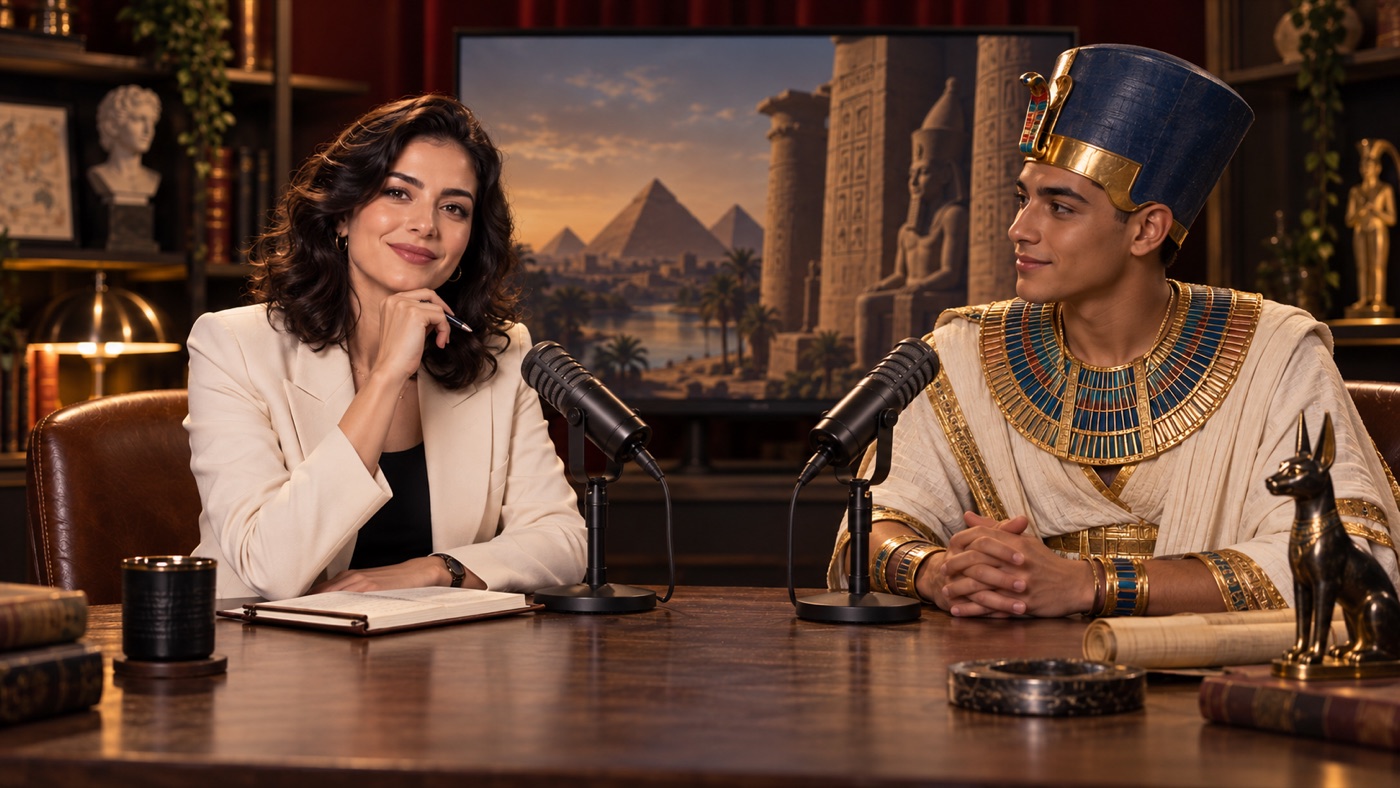
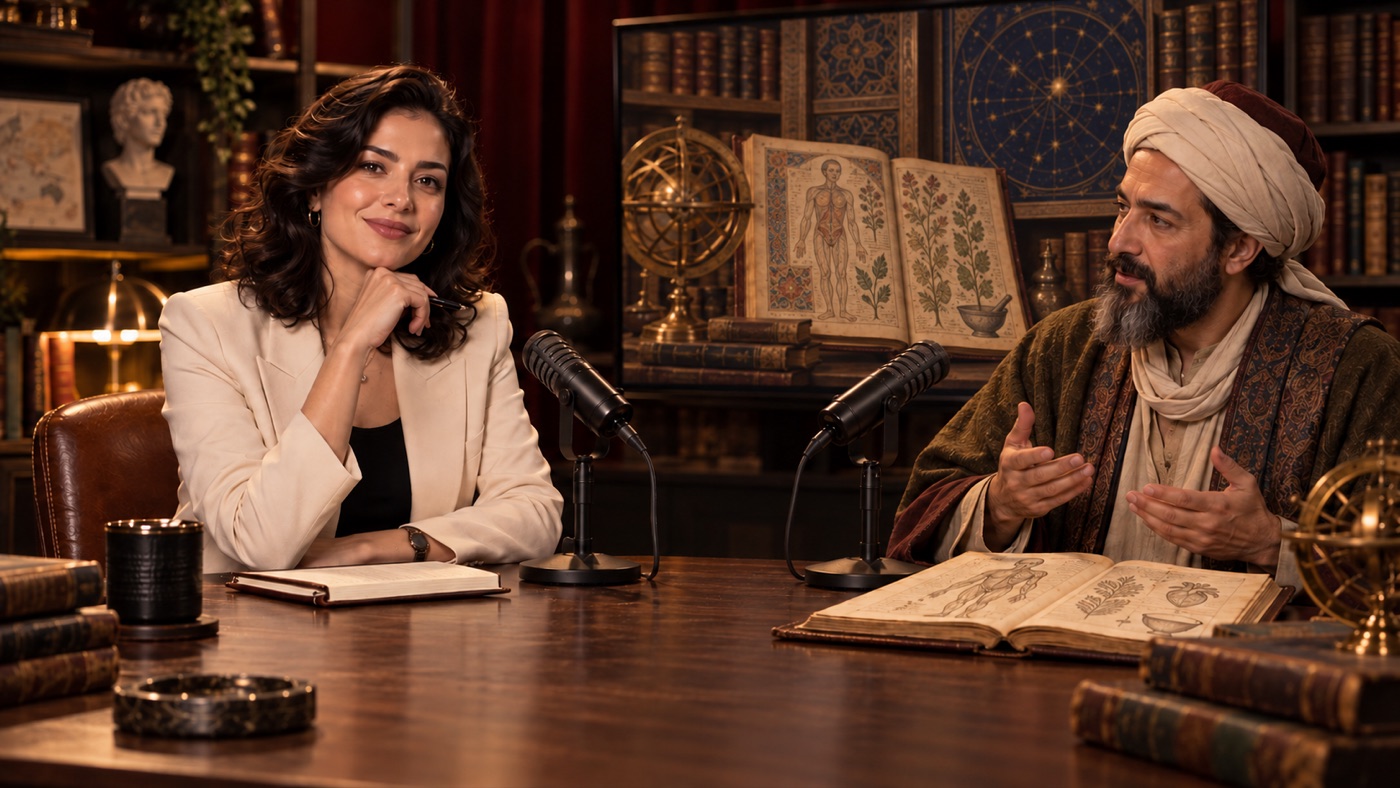
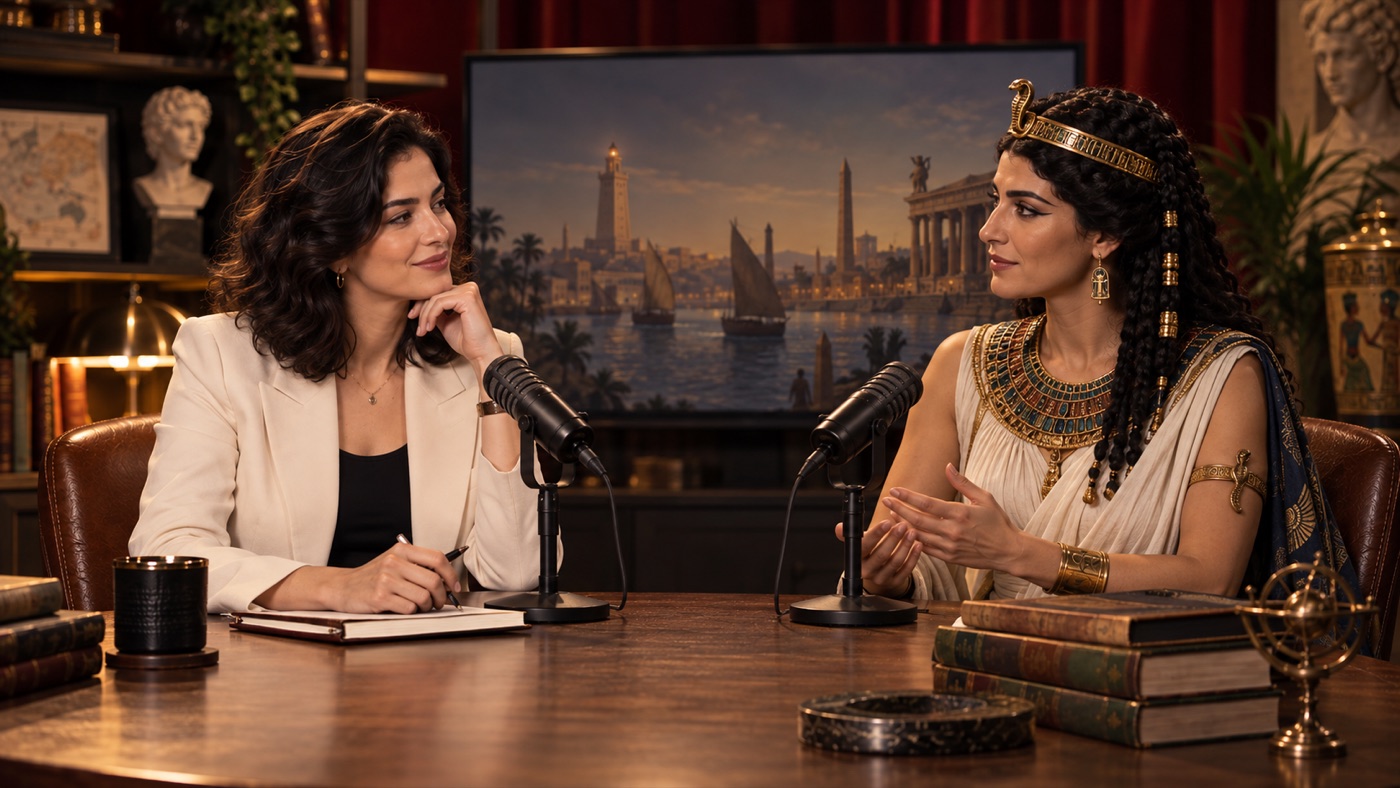
These are fictional dramatisations, not real interviews or authentic quotations. Host Defne Arman is a fictional character, unrelated to real individuals. First-person answers are imagined from the cited historical material. Images are AI-generated. No audio or video recording is available.
Defne Arman asks; Tutankhamun answers in an imagined dialogue.
What did Egypt expect of a young king?
Tutankhamun · fictional answerThe court needed a new order; a child did not act alone. Akhenaten's religious changes formed the background. The change from Tutankhaten to Tutankhamun expressed a wider shift.
Was this a matter of faith or government?
Tutankhamun · fictional answerThe two cannot be neatly separated. Temples and priesthoods shaped the language of government. Restoration involved more than the will of one young ruler.
Why are you remembered for a tomb rather than conquests?
Tutankhamun · fictional answerThe discovery of a largely intact tomb in 1922 gave the objects an extraordinary voice. They came to overshadow the reign. Archaeology can cast a very bright light on one part of a life.
What does the treasure leave untold?
Tutankhamun · fictional answerStone and gold show the image the court wished to present. They do not, by themselves, explain everyday life, popular expectations or who shared in decisions. Objects need context.
Sources & further reading
Source links retained from the original editorial dossier. Dialogue and commentary are not quotations from these sources.